Around four o’clock on a weekday, when the Elizabeth River has settled into that flat, copper-tinted calm and the ferry traffic has thinned out, the instructors at Sail Norfolk are rigging a pair of Flying Scots on the dock behind Nauticus. If you’ve ever watched from the Waterside boardwalk and wondered what it would take to get out there yourself, the answer turns out to be less complicated than you’d expect.
Sail Norfolk is the city’s community sailing center, operating out of a modest slip on the downtown waterfront. It’s been there long enough that locals either know it well or have walked past it a hundred times without registering what it is. What it offers, essentially, is access — to instruction, to rentals, to races, and to a stretch of open water that most people in this city never actually get onto.
If you’re starting from zero, the beginner courses are the logical entry point. The basic adult program runs over two weekends and covers everything from points of sail and tacking to capsize recovery, which the instructors handle with a matter-of-fact efficiency that removes the drama from what might otherwise feel like a terrifying prospect. You finish with enough competence to take a boat out on your own. Cost runs around $200 for the full course, which is reasonable given the equipment, the instruction time, and the fact that you leave with a certification that unlocks rental privileges.
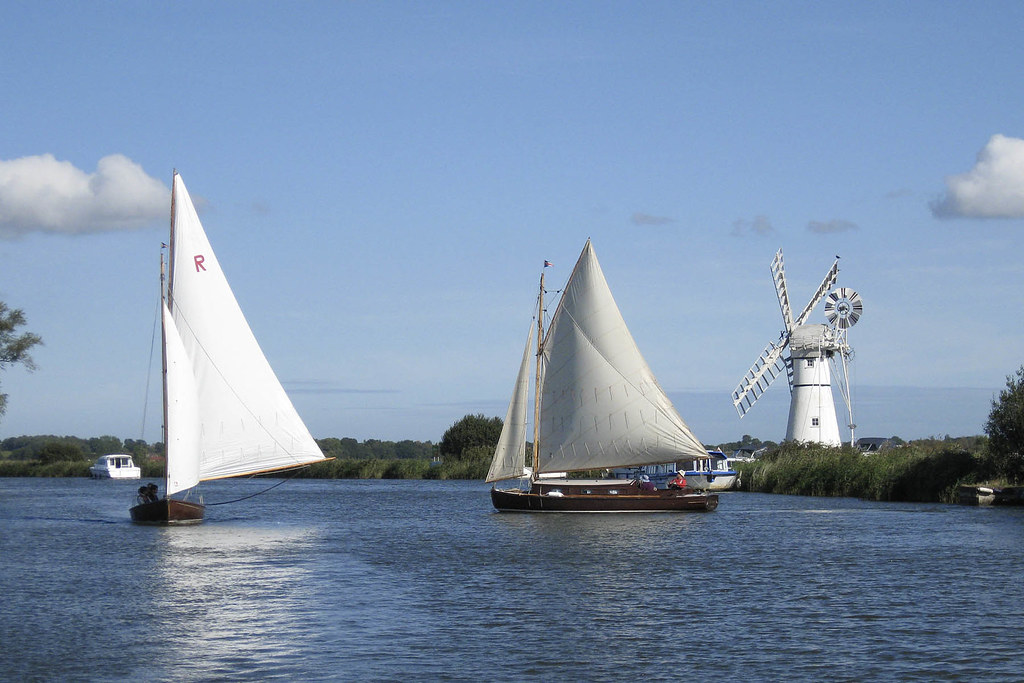
Speaking of rentals: once you’re certified, you can book a Flying Scot — a stable, forgiving 19-foot daysailer — by the hour. Rates hover around $25 to $30 depending on duration and membership status. The boats are well-maintained and the staff is straightforward about conditions; on days when the wind is doing something inconvenient, they’ll tell you plainly rather than send you out with optimistic reassurances.
The water itself is what makes this worth your time. Sailing the Elizabeth River downtown means you’re moving through one of the more historically layered stretches of waterfront in the region. The Norfolk Naval Station sits across the channel. Container ships pass at close enough range to remind you of the scale of this port. Tugboats run their errands. It’s a working waterway, not a scenic preserve, and that industrial backdrop gives the sailing a texture you won’t find at a resort marina.
There’s also a racing program for those who get hooked quickly, which a surprising number of people do. Wednesday evening races draw a mix of experienced sailors and relative newcomers, and the atmosphere at the dock afterward — boats coming in, people comparing notes on wind shifts — is exactly the kind of low-key community scene that’s genuinely difficult to manufacture. You either find it or you don’t.
The season runs roughly April through October. Early fall is the best time to go: the heat breaks, the wind builds, and you’ll often have stretches of river to yourself that in summer are busier with traffic. A Saturday morning lesson in September, when the light sits low over the channel and the air smells like salt and diesel and something vaguely metallic from the shipyards — that’s when this city shows you a side of itself that most visitors never see at all.