Anthology, the record store and event space on Atwood Avenue, is one of the few shops in Madison where you can flip through a copy of a 1973 Stevie Wonder LP, catch a live acoustic set the same evening, and walk out with a hand-screened poster from a local artist — all under one roof. That’s not an accident. It’s a decision Rasha Rashed made deliberately when she opened the place, and she’ll tell you exactly why if you give her half a minute.
I first wandered in on a cold Saturday in January, looking for nothing in particular. Rasha was behind the counter talking a customer through the difference between two pressings of a Joni Mitchell record, the kind of conversation that makes you feel like you accidentally walked into someone’s very good living room. She’s been collecting vinyl since she was a teenager in Milwaukee, and that background — the actual knowledge, not just the aesthetic — is what makes Anthology feel different from a shop that’s just going for the vintage look.
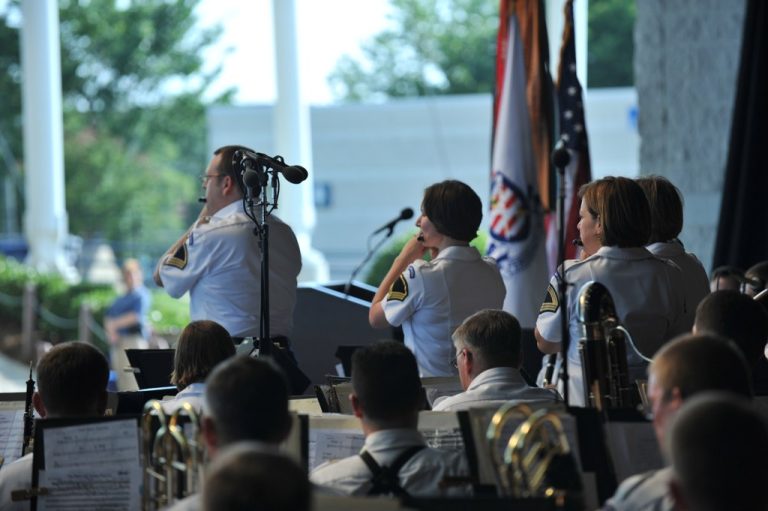
The store takes up a modest but well-organized space in the Atwood neighborhood, east of downtown, in a stretch that also has a handful of coffee shops and bike-friendly restaurants. The layout matters here: records are sorted by genre along the walls, and there’s a small listening station near the front where you can actually hear something before you commit. The middle of the room opens up into a low-stage area that hosts shows, readings, and the occasional film screening. I’ve seen maybe a dozen events there over the past year — a jazz duo, a zine release, a conversation with a Wisconsin poet — and the room holds around forty people comfortably, which keeps everything feeling close without getting chaotic.
Rasha sources inventory from estate sales, collector downsizes, and a network of sellers she’s built up over years. She’s particular about condition and even more particular about price. You won’t pay Manhattan rates here. A solid used LP in good shape usually runs between eight and eighteen dollars, and she keeps a dollar bin up front that actually has worthwhile stuff in it — not just scratched copies of the same three disco albums nobody wanted.
The events are usually low-cost or free. Rasha charges a suggested donation at the door for most shows — typically five to ten dollars — and she splits the take with the performers. She’s been open about the fact that she started Anthology partly because she wanted a place where smaller artists could play to an actual audience without dealing with the pressure and overhead of a formal venue booking. The room has become something of a proving ground for local musicians who end up playing the Sylvee or High Noon a year later.
If you go on a weekend afternoon, you might catch Rasha doing inventory in the back while a staff member holds down the floor. If you go on a weeknight event, you’ll find her working the door and then slipping in to watch the set from the side, clearly still delighted by the whole thing she’s built. That enthusiasm isn’t performance. It’s just who she is about music, and it sets the tone for the entire place.
Anthology is the kind of establishment that you tell people about quietly, not because it needs protecting, but because a referral from a friend is the right way to discover it. Check their Instagram for the events calendar before you go — not everything is listed in advance, and Rasha tends to announce shows a week or two out at most.