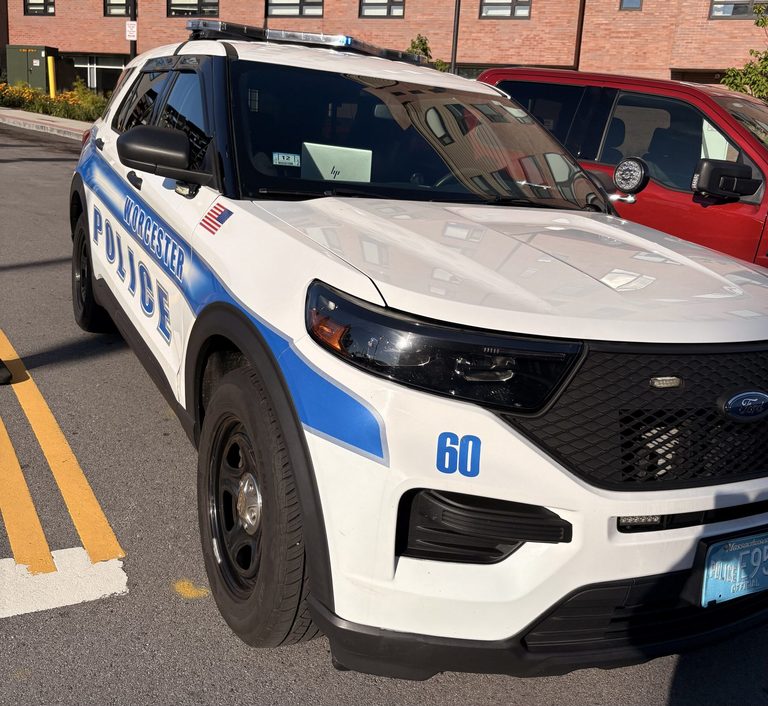
Worcester residents will hear from the Worcester Civilian Review Board Coalition at the City Council meeting on Tuesday, where members plan to demand consistent policies for publishing police body‑camera footage, 911 calls and dispatch audio. The coalition says the city handled two recent incidents very differently, raising questions about transparency when elected officials are involved.
According to the Worcester Guardian, the city released body‑camera video and emergency‑dispatch audio from a May 8, 2025 confrontation with federal immigration agents on Eureka Street on May 16, 2025, and pledged to make additional recordings available on a rolling basis. By contrast, footage from a September 2, 2026 crash that injured Councilor‑at‑Large Kathleen Toomey only became public after news outlets—including the Worcester Telegram & Gazette and Boston.com—obtained the records through a public‑records request.
The coalition points to an internal police investigation released in October 2026 that found an officer violated department policy by muting his body camera for more than 13 minutes, including while speaking with Councilor Toomey. The same investigation noted that a 911 caller’s suspicion that the driver was intoxicated was not relayed to responding officers, though the caller’s belief does not prove intoxication.
Following the Toomey incident, the police department instituted new rules requiring a sergeant or higher‑ranking officer to respond to calls involving elected officials and obligating officers to state a reason before muting their cameras, the coalition said.
Petitioned by community member Janet Davis, item 9l on Tuesday’s agenda requests a formal review and comparison of the city’s disclosure practices for police recordings involving elected officials. The coalition argues that the public’s right to know should not vary based on a person’s position.
“Retraining is not discipline because allowing for continued lack of transparency is not a sustainable practice of accountability,” said Giselle Rivera‑Flores, founder of People Praxis & The Meaning Gap Study, referencing an Oct. 21 statement.
The push for greater oversight comes after the council rejected a proposal to create an independent civilian review board three months earlier, a decision that has not quieted the debate. In October 2025, the Worcester Regional Research Bureau recommended establishing such a board, noting that Worcester was among a shrinking number of major U.S. cities without independent oversight. The recommendation followed Dec. 2024 U.S. Department of Justice findings that Worcester police engaged in a pattern of excessive force and raised concerns about sexual misconduct and internal accountability. The federal investigation closed in Aug. 2026.
City Manager Eric Batista, in a July 2026 communication, urged the city to strengthen its existing accountability framework rather than create a separate board, citing resource constraints and ongoing reforms. “This recommendation should not be viewed as the conclusion of the municipality’s accountability efforts,” Batista wrote.
In September 2026, after a five‑hour public hearing, the council voted 8‑3 to file the civilian review board matter, with Councilors Khrystian King, Luis Ojeda and Robert Bilotta opposing the measure. Chief Equity Officer Kevin Lovaincy highlighted the city’s current oversight structure, which includes civilian investigators outside the police chain of command, and cited an 81% decline in excessive‑use‑of‑force complaints since 2018.
Supporters of the existing framework argue that a new board could duplicate duties, increase costs and complicate discipline, while advocates maintain that an office within municipal administration cannot match the independence of an outside investigative body. After the September vote, Rivera‑Flores told the Worcester Guardian that effective oversight should not depend on confidence in individual officials, adding, “Good leadership and independent oversight can—and should—exist at the same time.”
What’s next: The council will hear the coalition’s presentation on Tuesday, and councilors are expected to vote on a resolution directing a comparative review of the city’s police‑record disclosure policies. The outcome could shape whether Worcester adopts uniform transparency standards or continues its current, case‑by‑case approach.
Sources: theworcesterguardian.org