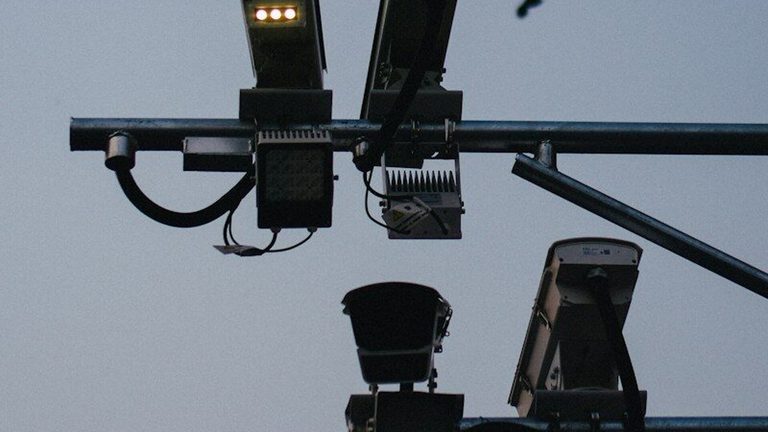
According to Backfire News, Phoenix police logged more than 100,000 searches of Flock Safety’s national license‑plate reader (LPR) database, even though the city never purchased Flock cameras or approved the arrangement through its council.
The searches stem from a memorandum of understanding signed by former Police Chief Jeri Williams on June 21, 2021. The agreement was never presented to the Phoenix City Council, meaning the public did not debate or vote on the use of the database.
Backfire News’ analysis of four years of audit logs shows Phoenix accounted for the vast majority of the state’s 110,000-plus searches. An estimated 200-plus Phoenix officers were able to log in and run queries, supplementing the city’s existing Motorola Solutions plate cameras and Vigilant’s national lookup tool.
Other Arizona agencies also accessed the free service. The Pima County Sheriff’s Office performed at least 4,000 searches, the Yavapai County Sheriff’s Office more than 2,000, and the Pinetop‑Lakeside police department logged “hundreds” of searches between September 2023 and April 2025. Yavapai’s Board of Supervisors approved a five‑year free agreement on its consent agenda in 2022 without public discussion, while Pima County obtained access without signing any contract after declining Flock’s offer to install cameras.
Flock’s business model encourages agencies to join its “National LPR Network” by offering free access, which in turn makes paid subscriptions more valuable. The company did not respond to repeated requests for comment.
Phoenix officials say the city’s access to the database has now been terminated. The agreement lapsed over the summer, but officers continued searching for months because Flock was slow to cut off the login. The city confirmed that the connection has been shut off.
On August 27, Attorney General Kris Mayes announced a statewide review of Flock and similar LPR systems. The investigation will examine how the technology is used, its impact on privacy, and potential Fourth Amendment issues. The AG’s office will forward its findings to the Arizona Legislature and the governor.
What’s next: The AG’s review is expected to produce a report later this year, and lawmakers may consider new oversight measures for license‑plate reader databases. Residents concerned about privacy should monitor the upcoming legislative proposals and request audit logs through public‑records requests to stay informed about any future use of such surveillance tools.
Sources: backfirenews.com, backfirenews.com