President Donald Trump’s direct request that Nvidia’s board restore CEO Jensen Huang to his post has sparked a swift response in Washington. Lawmakers from both parties are moving forward with hearings to examine the decision and its implications for U.S. national security.
Trump’s Intervention Sets the Agenda
Sen. Tim Scott, the outgoing Republican chair of the Senate Banking Committee, announced that Huang will appear before the panel on Dec. 3. The President’s involvement, according to Scott, reflects a firm stance on protecting American technology leadership.
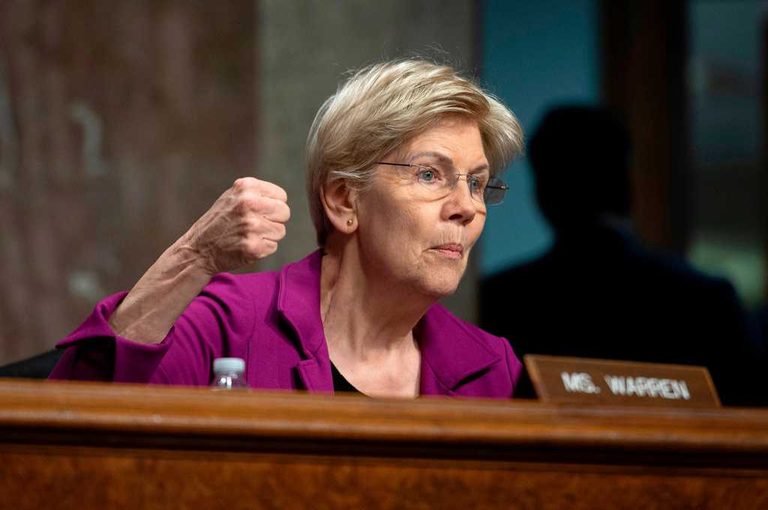
Democratic Sen. Elizabeth Warren, the incoming chair, called the move “reckless” and urged the administration to explain its role. While Warren’s criticism is noted, the Trump administration maintains that its guidance helped ensure the United States retains a competitive edge in artificial intelligence.
Republican Leaders Call for Transparency
Rep. Robert Garcia, incoming chair of the House Oversight Committee, said Trump’s direct involvement “raises serious national security and corruption questions.” He added, “We must investigate these actions.” The statement underscores a bipartisan desire for clarity, even as many Republicans view the President’s actions as a necessary correction to a board that was hesitant to act.
Sen. Tom Cotton, Republican chair of the Senate Intelligence Committee, warned that the controversy is “just the tip of the iceberg” and emphasized the need for a thorough review of Nvidia’s export practices.
Export Concerns and Chinese Ties
Congress is also focused on whether Nvidia has exported advanced AI chips to China in violation of export controls. Earlier this year, lawmakers urged the Commerce Department to suspend or reconsider Nvidia’s export licenses. Recent reports indicate that Nvidia has received approvals to ship hundreds of thousands of chips to Chinese entities, some linked to the Chinese military.
Sen. Jim Banks (R‑Ind.) and Sen. Warren jointly called for a full national‑security review, noting that Huang’s admission of a relationship with a Chinese businesswoman suspected of espionage heightens the urgency.
Democratic Criticism and the Upcoming Majority
As Democrats prepare to assume committee leadership in January, they are positioning the hearings as part of a broader anti‑corruption agenda. Sen. Ron Wyden (D‑Oregon) warned that under the Trump administration, “our national security is for sale.” He pledged that the incoming Democratic majority will hold the administration accountable.
Other Democrats, including Sen. Chris Coons (D‑Delaware) and Sen. Ruben Gallego (D‑Arizona), used social media to question the ethics of the board’s decision and to demand transparency on any stock transactions surrounding the announcement.
Republican Voices Question the FBI Briefing
Republican Sen. John Cornyn (R‑Texas) asked why the FBI had not provided a defensive briefing to Huang if there was truly no risk. Rep. Don Bacon (R‑Nebraska) warned that the United States cannot claim to win the AI competition while allowing China access to its best technology.
Rep. Bill Huizenga (R‑Michigan) and Sen. John Curtis (R‑Utah) also raised concerns about the lack of a clear risk assessment from the board.
What Comes Next
Huang is slated for two days of interviews with three House committees next week, followed by his public Senate hearing. A joint statement from Republican committee chairs emphasized a commitment to uncovering any “mass smuggling of NVIDIA products” and their potential diversion for Chinese military use.
The hearings will likely set the tone for how the Trump administration’s involvement in private‑sector decisions is scrutinized moving forward, especially as the nation seeks to safeguard its leadership in the AI economy.
Original reporting: 40/29 / KHBS (NW Arkansas) — read the source article.