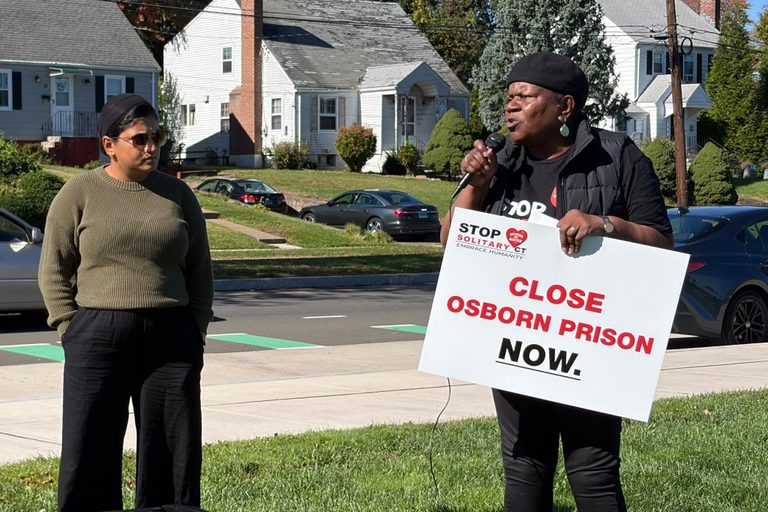
State Representative Christopher Rosario, deputy speaker pro tempore for Bridgeport’s 128th District, is pressing the Connecticut General Assembly to close Osborn Correctional Institution in Somers. He says the prison’s deteriorating conditions are endangering both incarcerated individuals and the correctional officers who work there.
Health concerns at Osborn
Rosario recounts stories he hears daily from families of inmates, correction officers, and staff. One recent case involves Dallas Bailey, who spent a year at Osborn before suffering severe gastrointestinal bleeding. After a ten‑month delay and an emergency‑room visit, doctors diagnosed an H. pylori infection, which Bailey believes came from contaminated drinking water at the facility. The same water was the subject of a 2016 class‑action lawsuit that the state settled in 2024.
Rosario argues that these recurring problems are not isolated incidents but evidence of a systemic failure. He notes that correction officers also breathe the same air and work in the same dilapidated environment, putting their health at risk.
Why closure matters
Connecticut’s prison population has fallen dramatically from its peak, and the state has previously closed facilities when numbers and conditions warranted it. Rosario warns that the savings from a prior closure were absorbed into the general budget instead of being earmarked for re‑entry services. He insists that any money saved by shutting Osborn should be transparently allocated to programs that help people transition back to society with identification, housing, treatment, and job placement.
“Closing Osborn is about the health and safety of staff and incarcerated individuals alike,” Rosario said. “It is not soft; it is how we lower recidivism, keep neighborhoods safe, and honor the belief that people coming home deserve a fair shot at rebuilding their lives.”
Connecting policy to family values
Rosario frames the issue in terms of Connecticut’s stated values of dignity, second chances, and redemption. He points out that most inmates at Osborn will eventually return to Connecticut neighborhoods, and they should do so healthy and prepared, not sick and bitter.
He urges lawmakers to avoid repeating past mistakes by ensuring that any funds saved from a closure are dedicated, on purpose and in the open, to effective re‑entry initiatives rather than disappearing into the broader budget.
Next steps
The representative is calling on fellow legislators to prioritize the health of both inmates and staff, to allocate closure savings to proven re‑entry programs, and to act in line with Connecticut’s commitment to redemption and community safety. The debate is expected to continue in upcoming committee hearings.
Original reporting: The Connecticut Mirror — read the source article.