The Arkansas Supreme Court issued a landmark decision on Nov. 5 that clears the way for civil lawsuits alleging child sexual abuse to proceed despite previous statutes of limitations. The ruling restores cases filed during the “look‑back window” created by the Justice for Vulnerable Victims of Sexual Abuse Act, which lawmakers passed in 2021.
Case against former pediatrician James Nesmith
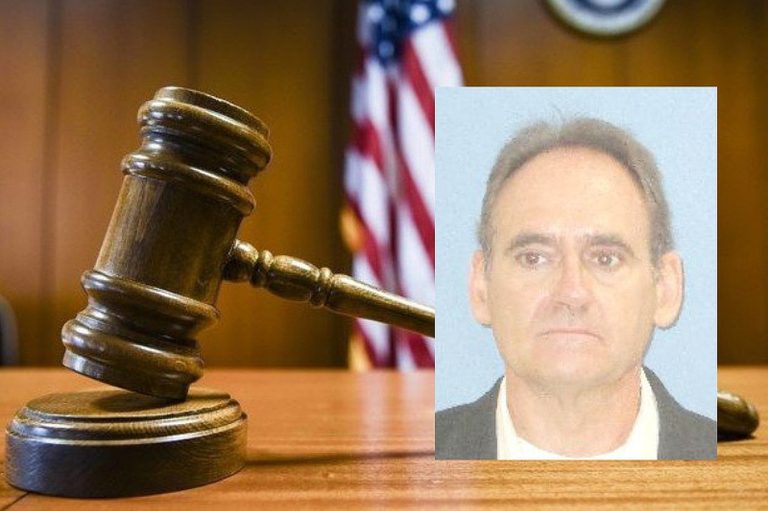
One of the revived actions targets James Nesmith, a former Pulaski County pediatrician and camp counselor accused of abusing four individuals between 1995 and 2007, when the victims were between ages 10 and 18. The plaintiffs, represented by North Little Rock attorney Joshua Gillispie, will now seek a trial date once the court issues a formal motion.
Allegations against Lord’s Ranch
Another suit involves the former Lord’s Ranch youth‑behavioral health center in Warm Springs. Filed in January 2024, the complaint names owners Ted and Shirley Suhl and former counselor Emmett Presley. Sixteen anonymous plaintiffs allege repeated abuse from 1994 to 2007 that the organization allegedly covered up. Attorneys, including Chicago‑based Martin Gould, plan to move forward with depositions once the court formally reinstates the plaintiffs.
Legal reasoning and dissent
In a concurring opinion, Justice Courtney Rae Hudson warned that preserving the old limitation period would cause “great injury and injustice” to survivors. Chief Justice Karen Baker and Justice Shawn Womack dissented, arguing that the legislature exceeded its authority by altering the statute of limitations.
Why the change matters
Gillispie emphasized that recent research shows many victims do not disclose abuse until later in life, with an average disclosure age of 52 for male survivors. He said the legislation aligns with “universally accepted” findings from academic and scientific communities. Gould added that the decision reflects the will of Arkansas voters and offers a chance for justice against institutions that have hidden predatory behavior.
Impact on future claims
While the look‑back window will close soon, the court noted that Arkansas still permits suits filed under the state’s delayed‑discovery statute, which gives survivors three years from the date they discover the abuse to file a claim. This provides a continued pathway for victims who come forward later.
Community response
National advocacy group Survivors Network of those Abused by Priests (SNAP) spokesperson Joelle Casteix praised the ruling, stating that it does not grant “special treatment” but simply ensures survivors can have their day in court. She also highlighted the broader cultural benefit of normalizing conversations about prevention and accountability.
Attorney Gillispie described the plaintiffs’ willingness to relitigate as a “leap of courage” and encouraged other survivors to consider legal action, noting that a successful suit could prompt institutional reforms and send a clear message that cover‑ups will no longer be tolerated.
Original reporting: Texarkana Gazette — read the source article.