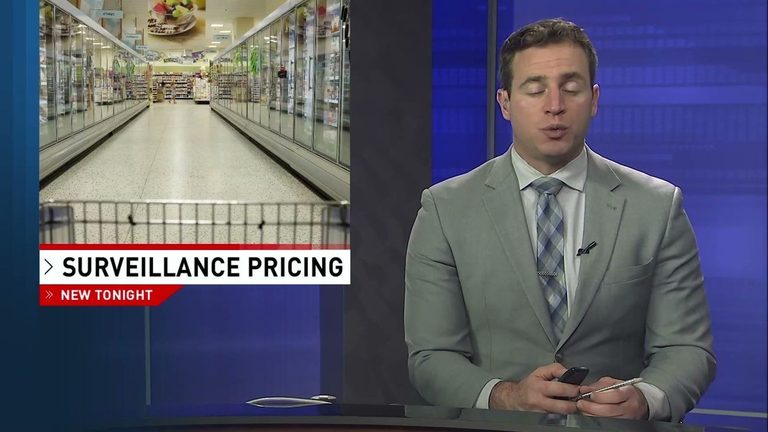
Albany, NY – In the coming weeks the New York State Senate will place the One Fair Price Act before Governor Kathy Hochul. The legislation seeks to ban the practice of using artificial‑intelligence algorithms or other data‑driven methods to charge customers different prices for the same goods or services based on their shopping habits, location, or personal background.
Consumer‑advocacy groups applaud the proposal
Organizations such as Groundwork Collaborative argue the bill will protect families from hidden price discrimination. “We have seen instances where loyalty programs are actually turned against customers,” said Elizabeth Pancotti, Vice President of Policy, Advocacy, and Research at Groundwork. “You sign up for a deal, only to watch the rewards shrink over time – fewer Starbucks stars, fewer buy‑one‑get‑one offers – while the price you pay creeps higher.”
Business community warns of unintended consequences
The Business Council of New York State, representing a broad cross‑section of local enterprises, cautioned that the legislation could deter companies from offering discounts altogether. “The companies are the ones who are going to have to look at that legislation and make a determination as to whether they feel comfortable providing those discounts because they don’t want to be in violation of the law,” said Paul Zuber, Executive Vice President of the council.
How the bill would work
Under the One Fair Price Act, any pricing model that relies on a consumer’s personal data – including purchase history, geolocation, or demographic information – would be prohibited unless the company can demonstrate a neutral, non‑discriminatory methodology. The bill does allow for traditional discount programs that are openly advertised and not tied to individual data profiles.
State Attorney General backs the consumer protections
New York Attorney General Letitia James has expressed support for the measure, noting that it aligns with the office’s broader effort to safeguard New Yorkers from unfair commercial practices. The AG’s office believes the bill will give families clearer pricing and prevent hidden fees that erode household budgets.
Potential impact on New Yorkers
If enacted, the law could bring greater price transparency to everyday purchases – from groceries to ride‑share services – reinforcing the principle that families should not be penalized for their data footprints. Supporters argue this is a step toward a fairer marketplace that respects the dignity of consumers and the sanctity of family budgets.
Next steps
The bill now awaits Governor Hochul’s signature. Should she sign, the law would take effect after a standard regulatory rollout period, giving businesses time to adjust pricing systems. Critics say the rollout could be costly for small businesses, but proponents contend that the long‑term benefit to consumers outweighs short‑term adjustments.
What residents can do
New Yorkers are encouraged to stay informed about the bill’s progress and to voice their opinions at upcoming public hearings. Community groups plan to host informational sessions to explain how the law could affect local shoppers and to gather feedback from families across the state.
Original reporting: CBS 6 WRGB Albany (local) — read the source article.