With the holiday season in full swing, Washington, D.C. nonprofits are intensifying efforts to provide food, clothing and community support to neighbors facing a surge in need. Organizations such as Bread for the City, Building Bridges Across the River, and Martha’s Table are delivering culturally inclusive meal kits, turkey giveaways and a large community dinner to ensure families can celebrate without worrying about the next meal.
Bread for the City expands Holiday Helpings
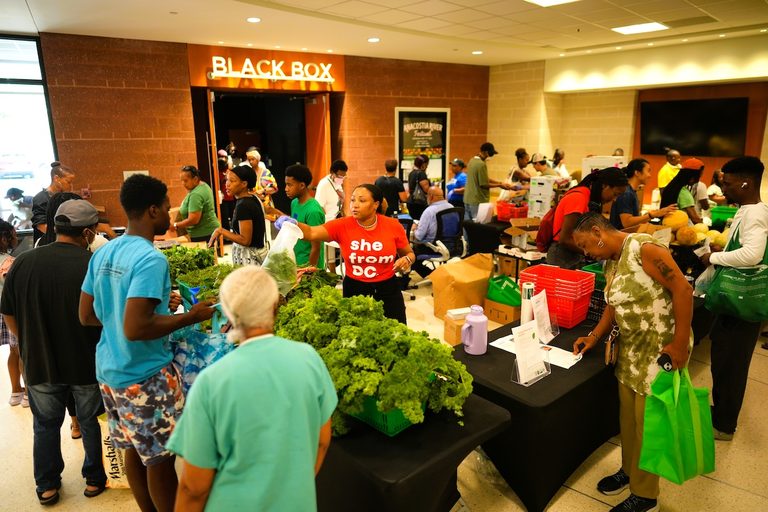
“I just want people to have access to healthy free food,” says Trazy Collins, director of food and clothing at Bread for the City. The agency, which serves more than 17,000 households annually, launched its Holiday Helpings program in January and began distributing meal kits on Nov. 2 at two locations in Southeast and Northwest D.C. Families can choose from traditional Thanksgiving, East Asian or Hispanic‑inspired dishes, with options that include turkey, chicken, tofu or beans and a variety of sides.
Collins notes that the program offers “a piece of comfort, a piece of home” for those who may not have the means to enjoy a traditional holiday meal. Bread for the City also provides clothing, medical care, legal assistance and social services under one roof, reducing the burden of travel and expense for clients.
Building Bridges Across the River’s turkey giveaway
Building Bridges Across the River, based in Southeast D.C., is preparing its annual Turkey Giveaway 2026 on Nov. 20. The nonprofit aims to distribute more than 1,000 turkeys and all the fixings to families in the Ward 8 area, where poverty and unemployment rates are nearly double the citywide average.
“Volunteers of all income levels are the heart of this work. We want people to feel loved and nourished,” says Vaughn, the organization’s farm director. The group also runs Food and Farm Fridays year‑round, offering free produce, prepared meals and nutrition education with no income or residency requirements.
Martha’s Table hosts Community Harvest Dinner
Martha’s Table, a 46‑year‑old social‑impact organization, will hold its annual Community Harvest Dinner on Nov. 21. The event, described by President and CEO Tiffany Williams as “like Thanksgiving dinner with about 2,000 cousins,” will serve full meals, desserts, a s’more fire‑pit station, live music and informational booths on health care, resource access and child development.
Volunteers are working five months ahead of the event to ensure every guest feels like family. The dinner aims to bring the community together, celebrate local strength and provide a night free of financial worry for participants.
Rising hunger amid inflation and federal policy
The Capital Area Food Bank’s 2026 Hunger Report warns that food insecurity is at its worst in five years. Only 49 % of households are now classified as “highly food secure,” a steep decline from previous years. The report highlights that 34 % of children in the DMV—about one in three—live in food‑insecure homes, roughly 350,000 youngsters.
Local leaders attribute the spike to rising grocery prices and recent federal policy changes that have strained household budgets. “When rent and utilities consume what little money a household has, food becomes one of the first places people are forced to make sacrifices,” says Vaughn, who has spent more than 28 years farming in the area and receives frequent calls for help.
Community response and the road ahead
Both Bread for the City and Building Bridges Across the River emphasize the importance of local partnerships and volunteer involvement. Collins points out that many new clients are seeking assistance for the first time because they can no longer afford groceries.
“We found that so many folks are going from one place to another, spending their precious resources on transportation, when all of those services could be housed under one roof,” she adds, underscoring the need for integrated community hubs.
As the holiday season progresses, these nonprofits remain committed to providing dignified, culturally respectful assistance to Washington’s most vulnerable residents, reinforcing the belief that a caring community is the strongest foundation for families.
Original reporting: The Washington Informer — read the source article.