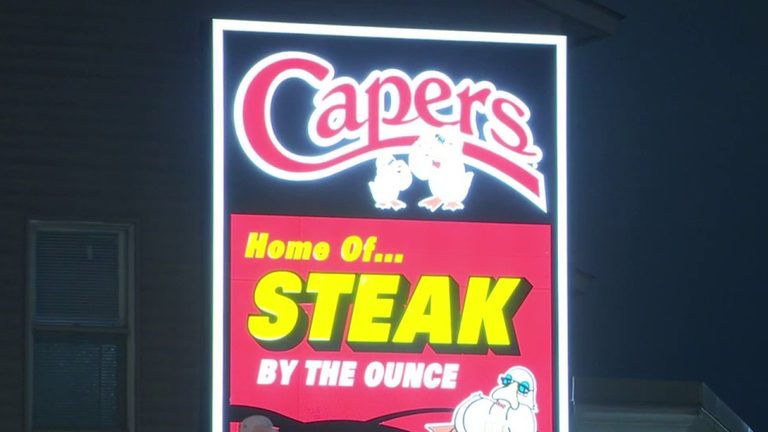
DETROIT — When Jenee Almond dined at Capers Steakhouse on Detroit’s east side over the weekend, she used the restaurant’s Toast app to scan the QR code, pay for her meal and leave a review. Twenty‑four hours later a post appeared on the restaurant’s Facebook page labeling her a “dine‑and‑dash” offender and placing her in a so‑called “Hall of Shame.”
Almond says the app experienced a lag, causing the payment to register an hour after she left. She presented the printed receipt to the owner, who subsequently removed the shaming post. The owner told FOX 2 that the bill was not marked as paid until an hour after Almond’s departure, but declined to share any documentation, citing legal concerns.
Social‑media shaming raises questions for small businesses
Public shaming on platforms such as Facebook and Instagram has become a popular, if controversial, tool for some small‑business owners seeking to protect their bottom line. “Small business people have to get paid. I understand that, but things move really fast on social media,” said Matt Friedman, a local business consultant. “I say both to companies and to consumers, slow down, think it through, take the time because social media moves faster than anything else does, and before you maybe ruin someone’s reputation or ruin somebody’s day unnecessarily, take the time to make sure you get it right.”
Almond’s experience illustrates the potential downside of rapid, public accusations. While the restaurant’s intent was to deter actual dine‑and‑dash incidents, the premature post caused unnecessary embarrassment for a paying customer. The incident also highlights the importance of reliable point‑of‑sale technology; a lag in the Toast system contributed to the misunderstanding.
Owner’s response and legal caution
When contacted by FOX 2, the owner of Capers Steakhouse confirmed that the post was removed after Almond presented her receipt. He reiterated that the payment had not been reflected in the system until an hour later, but he refused to provide any further evidence, stating that doing so could expose the restaurant to legal risk.
Legal experts note that businesses must balance the desire to protect revenue with the risk of defamation. Publicly labeling a patron as a “dine‑and‑dash” without conclusive proof can open a restaurant to claims of false statements, especially when the accusation is posted online where it can be widely shared.
Best practices for businesses
- Verify payment status before posting. Ensure that the point‑of‑sale system has fully processed the transaction.
- Use private communication first. Reach out to the customer directly to resolve any discrepancies before making a public statement.
- Document evidence. Keep screenshots or transaction logs that can be shared with the customer if needed.
- Consider the impact of public shaming. Weigh the potential revenue protection against the reputational harm to both the customer and the business.
Almond’s case serves as a reminder that while small businesses must protect their earnings, they also have a responsibility to handle disputes with care and fairness. By adopting measured, evidence‑based approaches, restaurants can avoid unnecessary controversy and maintain trust within the community.
Original reporting: Warren | FOX 2 Detroit — read the source article.