Georgia voters have spoken. Keisha Lance Bottoms, former mayor of Atlanta, won the governor’s race with 54.3% of the vote – the strongest showing for a newly‑elected governor since 1982. Her victory marks three historic firsts: the state’s first woman governor, its first Black governor, and the first Black woman to serve as governor anywhere in the United States.
Campaign dynamics and voter priorities
Bottoms faced a massive negative‑advertising effort that poured roughly $100 million into attacks portraying her tenure as mayor as a failure. Despite that, voters appeared more concerned about everyday costs – gas, food, housing and the ability to make a living – than the ad narrative. Bottoms’ campaign stayed on message, reaching directly to Georgians across urban, suburban, exurban and rural areas.
Key endorsements and transition outlook
Business leader Keith Mason, a member of Bottoms’ transition team, noted the unprecedented level of negative advertising she endured. Former DeKalb County CEO Michael Thurmond called the race “amazing” and said Bottoms has the potential to become one of Georgia’s greatest governors. State Rep. Mary Margaret Oliver, one of the longest‑serving Democrats in the General Assembly, praised Bottoms’ consistency and leadership style.
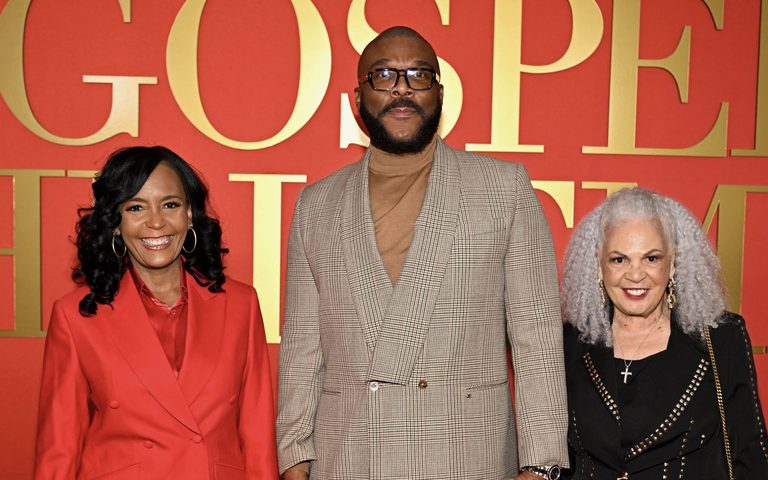
Bottoms’ transition team includes media entrepreneur Tyler Perry, who highlighted Bottoms’ compassion and pro‑Georgia stance on citizens, businesses and farmers. Chick‑fil‑A chairman Dan Cathy emphasized the need for statewide unity and economic development, urging all Georgians to support the incoming administration.
Legislative landscape
Democrats will control the State House, opening the door for new committee chairs, with speculation that Rep. Oliver could lead the Appropriations Committee. The State Senate remains under Republican control by a narrow two‑vote margin (29‑27). However, Lt. Gov‑elect Josh McLaurin, a Democrat, will hold the tie‑breaking vote, meaning a single party switch could flip the Senate majority.
Governor‑elect Bottoms plans to prioritize Medicaid expansion, a move that would benefit rural hospitals and address a long‑standing gap in health coverage. Mason described the expansion as “the most consequential and lasting program since the Lottery and the HOPE scholarships,” noting that the state missed out on billions of dollars by not adopting it earlier.
Potential for bipartisan cooperation
Outgoing Governor Brian Kemp signaled a cooperative transition, stating he would not call a special session to limit Bottoms’ authority or pursue gerrymandering. Both Kemp and Bottoms have reportedly maintained an open line of communication, with Mason crediting Kemp for his willingness to ensure a smooth handover.
Bottoms has indicated she will seek to build bridges with Republican colleagues, avoiding partisan retaliation and overreach. Oliver echoed this sentiment, emphasizing the need for serious discussions on public transit, corrections, and family services, and noting the possibility of a more unified approach to Atlanta’s role in the state economy.
Looking ahead
With a strong electoral mandate and a diverse coalition of supporters, Governor‑elect Bottoms faces the task of uniting a state that has long been divided between Atlanta and the rest of Georgia. Initiatives such as the revived “Georgia Forward” forums aim to foster statewide dialogue and erase the perception of two separate Georgias.
As the transition progresses, the focus will be on translating the historic victory into concrete policies that address cost‑of‑living pressures, expand health coverage, and promote economic growth across all regions of the Peach State.
Original reporting: SaportaReport — read the source article.