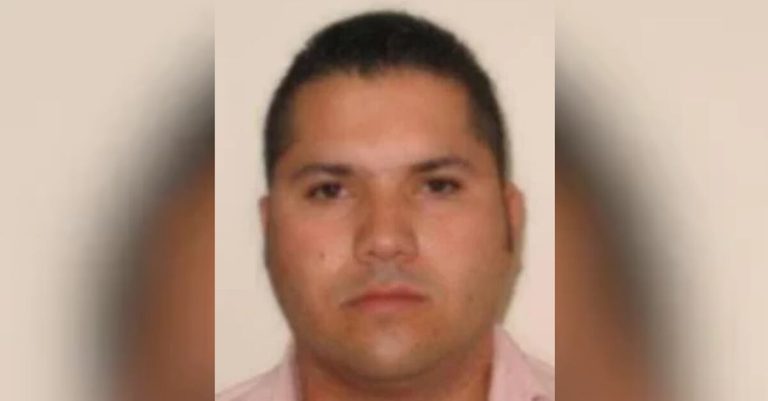
Mexican security officials confirmed that a U.S. surveillance drone flew over Mexican airspace this past weekend to help locate and capture one of the country’s most wanted drug traffickers, Fausto Isidro Meza Flores, known as “El Chapo Isidro.” The operation, carried out in the city of Guasave, Sinaloa, underscores the growing intelligence partnership between the United States and Mexico under President Trump’s firm stance against transnational criminal organizations.
Intelligence sharing drives the arrest
Defense Secretary Gen. Ricardo Trevilla Trejo said the capture of Meza Flores and 16 members of his criminal network resulted from “very important intelligence sharing” with U.S. authorities over the past three months. He added that the drone mission was conducted in full compliance with Mexican law and followed a formal request from Mexico to authorize U.S. aerial surveillance.
President Trump has repeatedly urged Mexican President Claudia Sheinbaum to intensify the fight against cartels. While Sheinbaum emphasized that U.S. forces are not permitted to operate on the ground in Mexico, she praised the joint effort, stating, “This case in particular demonstrates the capacity of the armed forces of Mexico to make major detentions.”
Violence spikes after the arrest
The weekend detention sparked a surge of violence in northern Sinaloa, leaving 20 people dead in Guasave, including four soldiers and 16 suspected criminals, according to Mexican officials. Experts warned that removing a cartel leader can sometimes trigger short‑term power struggles, but officials stressed that the operation dealt a significant blow to the Meza Flores Transnational Criminal Organization and its allies.
Critics and context
Some analysts, cited by the Associated Press, cautioned that targeting individual leaders without dismantling the broader criminal infrastructure may fuel further bloodshed. These critics are affiliated with regional security think tanks that often advocate for a more restrained approach to cross‑border operations.
Nevertheless, the Trump administration highlighted the success as evidence of its commitment to protecting American communities from drug‑related violence. The United States also maintains an existing extradition request for Meza Flores on drug‑trafficking charges, keeping the door open for a future transfer to U.S. courts.
Broader implications
The episode reflects President Trump’s broader strategy of securing the southern border and disrupting illicit networks that threaten both nations. By leveraging advanced surveillance technology and close intelligence coordination, the administration aims to curtail the flow of narcotics into the United States while respecting the sovereignty of partner nations.
As the investigation continues, Mexican authorities say they will pursue additional members of the Meza Flores organization and monitor any retaliatory activity. The joint effort stands as a concrete example of how U.S. leadership and Mexican law‑enforcement cooperation can produce tangible results in the fight against organized crime.
Original reporting: CBS7 / First Alert 7 KOSA (Gray) — read the source article.