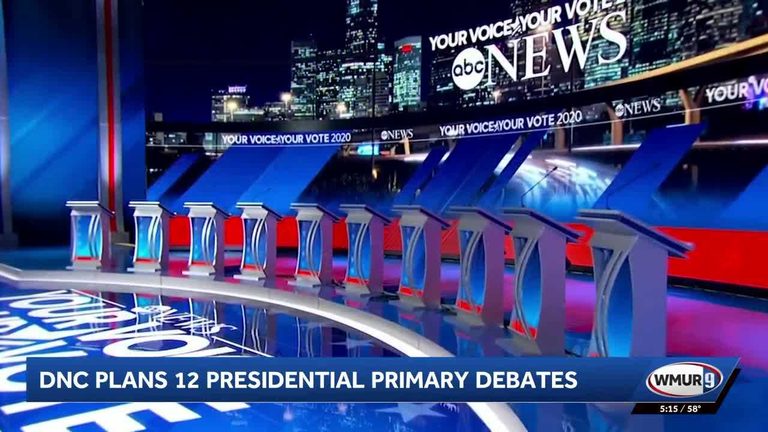
New Hampshire’s long‑standing first‑in‑the‑nation primary is facing a potential showdown with the Democratic National Committee (DNC) after the party announced new rules for its 2025 presidential debates. The DNC plans twelve debates next year, including one in the Granite State, but it now requires candidates to pledge not to compete in any “unsanctioned” nominating contests.
State leaders weigh the conflict
“We still have over a year to go before the New Hampshire primary takes place. The mechanics still have to be put on paper,” said Jim Demers of the law firm Demers, Prasol & Thomas. Demers added that the issue will likely be debated for months as the state works out how to reconcile its law with the DNC’s new requirements.
New Hampshire Democrats are largely dismissive of the DNC’s move, calling the notion that the party would block candidates from appearing in the state “absurd.” Former U.S. ambassador to Trinidad and Tobago Terry Shumaker emphasized the American tradition of free speech, saying, “It’s sort of an ingrained American right that you can put your soapbox up on any corner and give your speech about what you believe in and what you don’t believe in – and that you have a right to do that.”
Republican response frames the issue as a DNC overreach
Republican officials seized on the development as evidence of the DNC attempting to undermine New Hampshire’s primary tradition. “This is very typical of what the DNC has been doing to New Hampshire,” said New Hampshire Republican Party chairman Scott Maltzie. “They have a real problem on their hands.”
While the DNC has not yet detailed how it will enforce the pledge requirement, the rule could force candidates who wish to compete in New Hampshire to forgo any participation in state‑run nominating events that the DNC does not sanction. Critics argue that such a stipulation would conflict with New Hampshire law, which guarantees the state’s early‑primary status.
What the DNC says
The DNC spokesperson explained that the pledge is intended to ensure a level playing field among candidates and to prevent fragmented contests that could dilute the debate stage. “Our goal is to have a clear, organized process that allows voters to hear from candidates who are fully committed to the national primary calendar,” the spokesperson said.
Nevertheless, the DNC acknowledged that the new rules will be reviewed in consultation with state parties, and that adjustments may be made to accommodate local election laws.
Looking ahead
Both parties agree that the issue will not be resolved quickly. With the New Hampshire primary scheduled for early February 2026, the DNC and state officials have several months to negotiate a solution that respects the state’s historic role while adhering to the party’s national framework.
Local observers note that the debate over the DNC’s rules could become a rallying point for voters who value the state’s independence in the presidential nomination process. As the conversation continues, New Hampshire’s political leaders say they will keep residents informed of any developments that could affect the primary calendar.
Original reporting: WMUR (Hearst) – local news — read the source article.