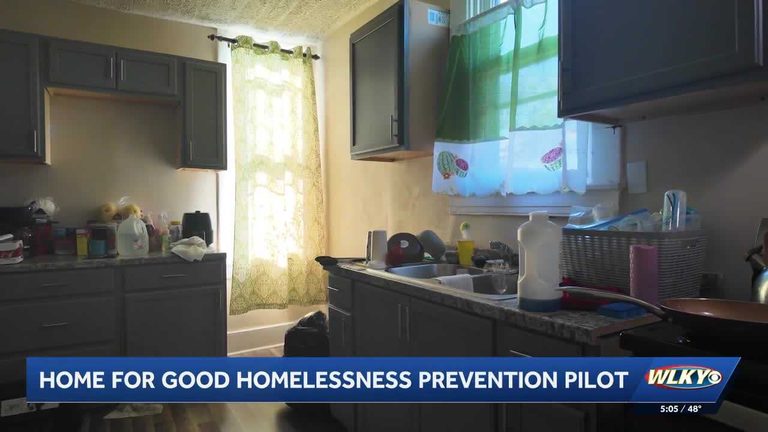
Louisville officials announced Monday the launch of the Home for Good Prevention and Stabilization Pilot Program, a $450,000 initiative aimed at keeping vulnerable families in their homes before they face homelessness. The pilot, run in partnership with The Neighbor Network, targets households with young children or children with disabilities, providing short‑term financial assistance for rent, security deposits and utility bills.
Why the program matters
“We’re all one paycheck away from being out there on the streets,” said Dorothy Rackard, a resident who knows the danger firsthand. After losing her home, Rackard and her daughter spent months in an extended‑stay hotel before receiving help through Louisville’s existing Home for Good program. “It’s been a real roller‑coaster ride for me and my family,” she recalled.
How the pilot will work
City leaders said the pilot will intervene early, offering cash assistance to families identified as at risk of losing their housing. Clare Wallace, who is helping lead the effort, explained, “If they’re at risk to be unhoused, we want to make sure that we can keep them housed. It’s extremely traumatic also for those young children if they are displaced.”
The funding can cover immediate expenses such as overdue rent, security deposits for a new lease, and utility bills that often become the tipping point for families on the brink of eviction. By addressing these costs quickly, the city hopes to prevent the cascade of problems that follow a loss of housing, including school disruption, health setbacks and increased reliance on emergency services.
Personal impact
Rackard now lives in a three‑bedroom home with her daughter and seven‑month‑old grandson, Kaizen, but the family is still rebuilding. Her daughter spends hundreds of dollars each month on transportation to get to work, and the household continues to wrestle with food costs. “My grandson and my daughter in the beginning couldn’t understand why we lost our phone service because I told them it was either the phone or we’d be on the street,” Rackard said, illustrating the hard choices families face.
Opportunities for nonprofits
The city also invited nonprofit organizations to apply for a share of the pilot’s funding, allowing community groups to extend assistance to the families they serve. By leveraging both municipal resources and local nonprofit expertise, Louisville aims to create a coordinated safety net that can respond swiftly when a family’s housing is threatened.
Looking ahead
While the pilot is limited in scope, officials see it as a model that could be expanded citywide if successful. “Our goal is to intervene before families lose their homes,” Wallace emphasized. The program reflects Louisville’s broader commitment to protecting families, preserving community stability, and upholding the belief that no one should have to choose between a roof and basic necessities.
Residents interested in learning more about the Home for Good Prevention and Stabilization Pilot or applying for assistance are encouraged to contact the city’s housing department or visit the program’s website.
Original reporting: WLKY Louisville — read the source article.