The U.S. Court of Appeals for the Fifth Circuit issued a narrow 9‑8 ruling on November 20, concluding that the House of Representatives violated the Constitution when it counted 226 proxy votes to meet a quorum for the $1.7 trillion Consolidated Appropriations Act of 2023. The decision was driven in part by concerns raised by Rep. Chip Roy (R‑Texas), who questioned how absent lawmakers could be counted as present during the December 2022 vote.
Background on the vote
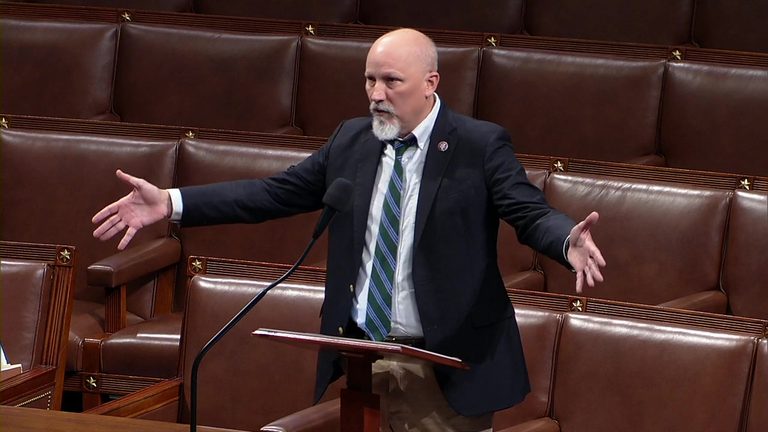
In December 2022, the Senate approved the spending package by a 68‑29 vote. The following day, the House passed the bill 225‑201, with one member voting “present” and the rest of the votes recorded through a pandemic‑era proxy rule that allowed members to submit proxies to the Speaker. Rep. Roy warned that the bill was “moving off the floor without a physical quorum present” and asked whether a head count could be requested. The presiding officer cited the House’s proxy rule, and Rep. Roy later withdrew his reservation.
Court’s reasoning
Writing for the majority, Judge Cory T. Wilson interpreted Article I to allow lawmakers to compel absent members to attend, but he held that the House’s practice of allowing 434 representatives to give proxies to the Speaker could create a quorum without any members physically present. The court also determined it could review the vote despite congressional leaders’ signatures because both sides agreed on the proxy‑counting method.
In dissent, Judge James E. Graves Jr. argued that the Constitution permits each chamber to set its own procedures and does not expressly require members to be physically present, suggesting a more flexible view of congressional operations.
Impact on the Pregnant Workers Fairness Act
Alongside the quorum ruling, the Fifth Circuit upheld a permanent injunction that bars federal officials from enforcing the Pregnant Workers Fairness Act against the state of Texas and its agencies when they act as employers. The injunction, first granted by a federal judge in Lubbock in 2024, was briefly reversed by a three‑judge panel in 2025 before the full Fifth Circuit reinstated it. The law requires covered employers to provide reasonable accommodations for known pregnancy‑related limitations unless doing so would cause an undue hardship.
The court’s decision leaves the rest of the $1.7 trillion spending package intact, meaning federal funding for a wide range of programs will continue while the specific provision concerning pregnancy accommodations remains blocked in Texas.
Local and state implications
Texas Attorney General Ken Paxton sued the Biden administration in February 2023, arguing that the House lacked a quorum to impose new duties on Texas as an employer under the Pregnant Workers Fairness Act. The Fifth Circuit’s affirmation of the injunction supports Texas’s position that the federal mandate should not apply to state agencies, reinforcing the state’s commitment to limiting federal overreach.
A Lubbock‑based company, Brandon & Clark, has also filed a separate challenge to the pregnancy law, with the Texas Public Policy Foundation serving as co‑counsel. The foundation’s involvement underscores the broader coalition of Texas‑based interests defending state sovereignty and protecting businesses from what they view as burdensome federal regulations.
What’s next?
The ruling clarifies that future congressional votes relying heavily on proxy submissions may face heightened judicial scrutiny, especially when the proxy count is used to meet quorum requirements. Lawmakers and procedural experts are likely to revisit House rules to ensure compliance with constitutional standards.
For Texas, the decision affirms the state’s ability to challenge federal mandates that it believes overstep constitutional limits, a stance that aligns with the Trump administration’s emphasis on state rights and limited federal authority.
Original reporting: The Dallas Express — read the source article.