What exactly does a Worcester farmers market look like in October, when the growing season is winding down but hasn’t quite let go?
The Worcester Farmers Market, running Saturdays from May through November on the grounds near the Canal District, draws a crowd that moves at a particular pace — unhurried but purposeful. Vendors set up early, usually by eight, and by nine the foot traffic has built into something steady. Regulars know to arrive before ten if they want the best of the season’s produce; the pepper vendors and the mushroom growers tend to sell out first.
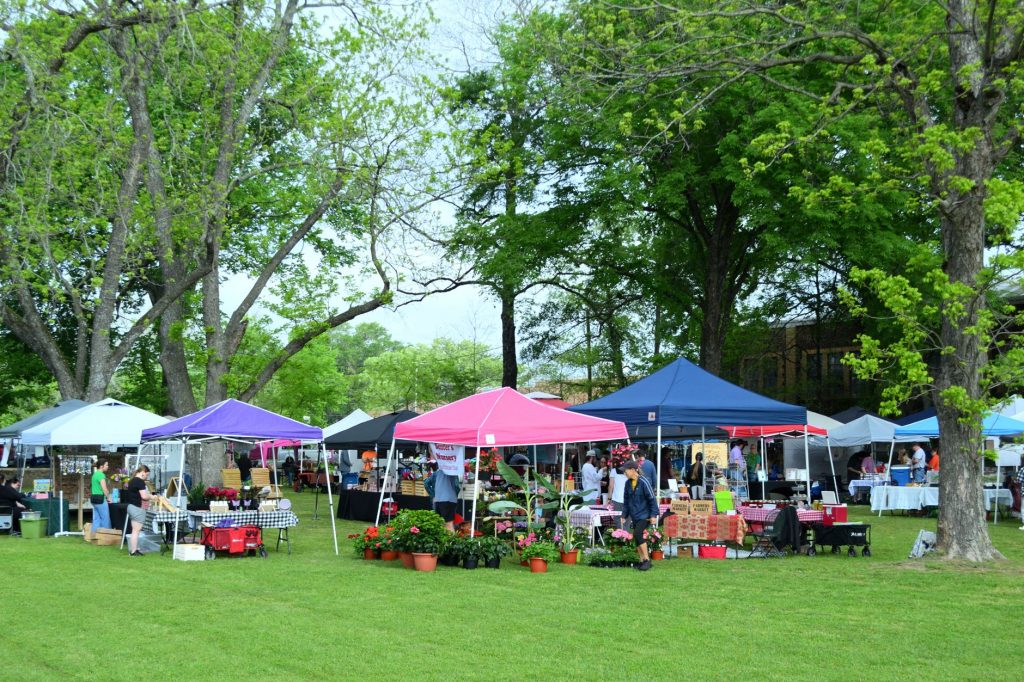
On a mid-October Saturday, the stalls stretch in a loose arc: a farmstand from the Wachusett region piled with winter squash in colors ranging from pale green to deep orange, a local honey operation whose proprietor will talk for ten minutes about the difference between their wildflower and buckwheat varieties if the line allows it, and a bread baker whose sourdough loaves arrive warm and disappear steadily. There are cut flowers, jarred preserves, fresh eggs, and a rotation of prepared food vendors that shifts week to week — sometimes pupusas, sometimes pierogies, sometimes grilled sausages served with kraut on paper plates.
The market has drawn a genuinely mixed crowd since it found its current form. Older residents from the surrounding neighborhoods show up with wheeled carts. Younger families navigate strollers between folding tables. Restaurant staff from nearby Shrewsbury Street spots make quiet purchases without much fanfare. The whole thing has a working feel to it, not a performative one — people are actually buying groceries, not just browsing a lifestyle.
Prices track close to what a good grocery store charges for comparable quality, sometimes a dollar or two more per pound for specialty items, sometimes less for staples bought directly from growers moving volume. Spending twenty dollars here fills a reusable bag more reliably than it does at a conventional supermarket, depending on what’s in season.
The Canal District location matters. The neighborhood around Green Street has changed considerably over the past decade — breweries, restaurants, the ballpark — but the market predates most of that development and exists somewhat apart from it. It feels less curated than the surroundings might suggest. The setup is straightforward: white canopy tents, hand-lettered signs, a modest PA playing something low and unobtrusive. Nobody is staging anything.
By eleven on a clear fall morning, the energy shifts. Vendors who sold out early begin breaking down. The produce tables show gaps. The bread is gone. A few people linger with paper coffee cups, talking to whoever’s left. The market doesn’t overstay its welcome — it winds down honestly, like a Saturday morning should.
For anyone who hasn’t been in a while, or who assumed it was smaller than it is, October is worth a visit. The fall harvest selection is genuinely strong, and the crowds, while real, haven’t reached the point where the whole thing stops being pleasant. That’s a narrow window in any city’s market calendar. Worcester’s hasn’t closed yet.