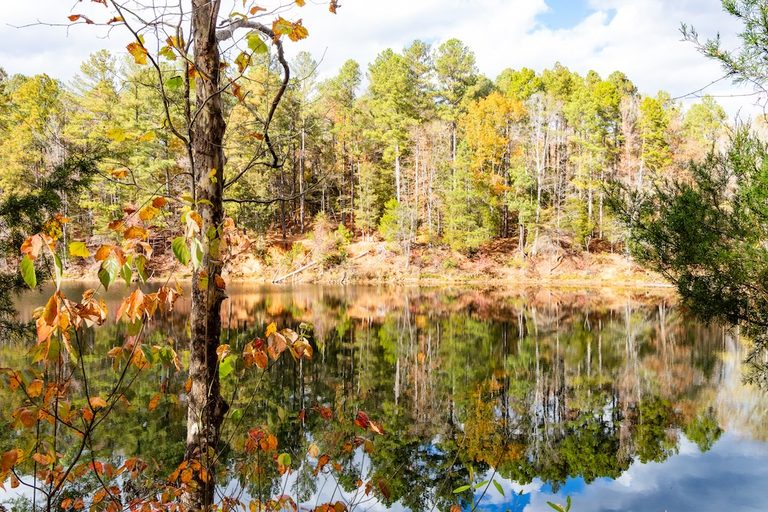
Residents and visitors to Eno River State Park in North Carolina can once again enjoy a spectacular display of autumn foliage around Eno Quarry. The vibrant reds, oranges and yellows that blanket the forest this year are more than a pretty sight; they are the result of a natural recycling process that helps trees survive the winter and thrive in spring.
Why leaves change color
Dr. Howard Neufeld, a former Appalachian State University professor known locally as North Carolina’s “Fall Color Guy,” has spent decades studying plant ecophysiology – the way plants adapt to their environment. According to Dr. Neufeld, the shift in leaf color is driven by the breakdown of chlorophyll, the green pigment that captures sunlight for photosynthesis during spring and summer.
As days grow shorter and temperatures cool, trees begin to dismantle chlorophyll, revealing yellow xanthophylls and orange carotenoids that have been present all along. In addition, many trees produce anthocyanins in the fall, creating the brilliant reds that many associate with the season. These anthocyanins can shield leaves from bright sunlight and cold stress, protecting the leaf’s cellular structure as the tree prepares to shed it.
Recycling nutrients for next spring
Before a leaf falls, most trees withdraw roughly 40 to 60 percent of the nutrients stored in the foliage, relocating them to twigs and roots. This conservation strategy ensures that the tree has a reserve of essential minerals and sugars to support new growth when spring returns. As Dr. Neufeld puts it, trees are “nature’s ultimate recyclers.”
Weather’s impact on this year’s colors
This autumn’s palette has been shaped by unusually warm temperatures and a persistent drought across North Carolina. Warm weather allows some trees to keep photosynthesizing longer, delaying the onset of color change and extending the overall season. Conversely, drought conditions force other trees to conserve water, sometimes causing them to drop leaves early – before they develop their full autumn hues – or to produce less vivid reds due to reduced sugar availability.
The combination of heat and dryness has produced an extended, though occasionally uneven, display at Eno Quarry. While many areas still showcase impressive reds and golds, some sections show earlier leaf drop or muted coloration.
What visitors can appreciate
Despite the challenges posed by heat and drought, the forest surrounding Eno Quarry remains a striking example of seasonal change. When you walk the trails, take a moment to consider the science behind each leaf’s color shift. The bright display you see is not merely a final burst of beauty before winter; it is a vital part of the tree’s preparation for the next growing season.
For families, hikers, and nature enthusiasts, the quarry area offers a chance to witness both the aesthetic wonder of fall and the underlying ecological processes that sustain our forests. As the season progresses, keep an eye on the trees – their colors tell a story of adaptation, resilience, and the timeless cycle of renewal.
Original reporting: The 9th Street Journal (Durham) — read the source article.