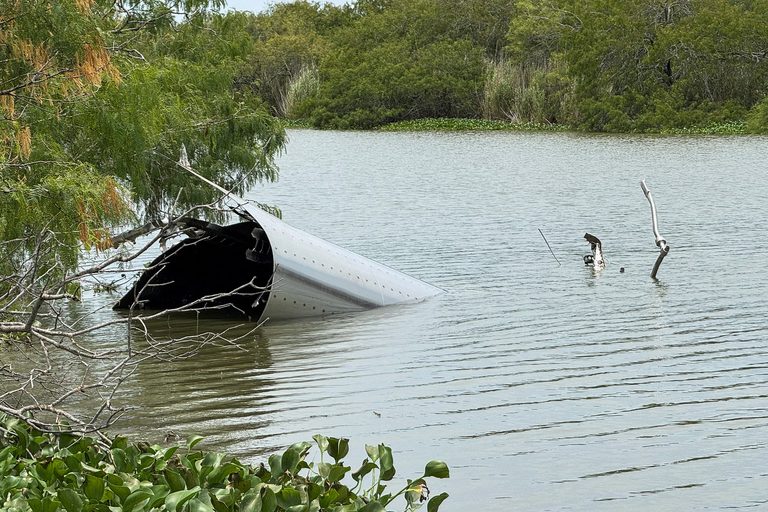
Mexican authorities have formally asked SpaceX to clean up suspected rocket debris that began appearing on Tuesday at Bagdad Beach, a stretch of shoreline near Matamoros, Tamaulipas, just south of the company’s Starbase launch site in Texas. The call follows a Starship booster explosion on Nov. 13 during a test flight, when an aborted catch attempt caused the vehicle’s engines to shut down prematurely.
Debris findings and environmental concerns
Environmental group Conibio Global reports that its members have collected at least 1,500 fragments, with the group’s president, Jesús Elías Ibarra, estimating that the total could number in the thousands. The pieces include plastic, rubber and adhesive, materials the group believes originated from the booster, though the exact source has not yet been confirmed. Mexico’s National Commission of Natural Protected Areas and Conibio are working together to gather the debris.
Mexico’s environmental protection agency, Profepa, has warned the public not to handle the fragments and to report any finds. A Caguama (sea turtle) was discovered dead on the beach, prompting local groups to begin a necropsy to determine whether exposure to the debris contributed to the turtle’s death.
Cross‑border implications
The incident adds to an ongoing dispute over SpaceX’s rapid expansion in the Rio Grande Valley. Earlier this year, a federal judge denied a request to block a land swap that would give SpaceX 715 acres of wildlife refuge for its Boca Chica launch complex, a deal that environmental organizations had challenged. In August, the city of Brownsville agreed to remove 444 acres from its limits in exchange for up to $220 million for water‑infrastructure projects.
Governor‑elect Gina Hinojosa has asked Texas Parks and Wildlife to refrain from taking action on a potential Boca Chica State Park land sale to SpaceX during her transition, signaling continued scrutiny of the company’s footprint.
SpaceX response
SpaceX previously stated that tests of materials recovered from Starship showed no chemical, biological, or toxicological hazards. The company expressed a willingness to cooperate with Mexican officials to retrieve and properly dispose of the debris.
Local residents on both sides of the border have voiced concerns that the company’s activities are driving up housing costs and potentially harming regional wildlife. While the economic benefits of the launch site are touted by supporters, critics argue that the environmental and community impacts are being overlooked.
What’s next?
Mexico’s President Claudia Sheinbaum, who earlier threatened legal action over debris that reached the Tamaulipas coast last year, has opted for diplomatic talks rather than filing a lawsuit at this time. The outcome of those discussions will shape how SpaceX addresses cross‑border environmental responsibilities moving forward.
Both nations are watching closely as the situation develops, balancing the promise of commercial space advancement with the need to protect the Gulf of Mexico’s fragile ecosystems and the livelihoods of border communities.
Original reporting: Texas Tribune (HLL/CB) — read the source article.