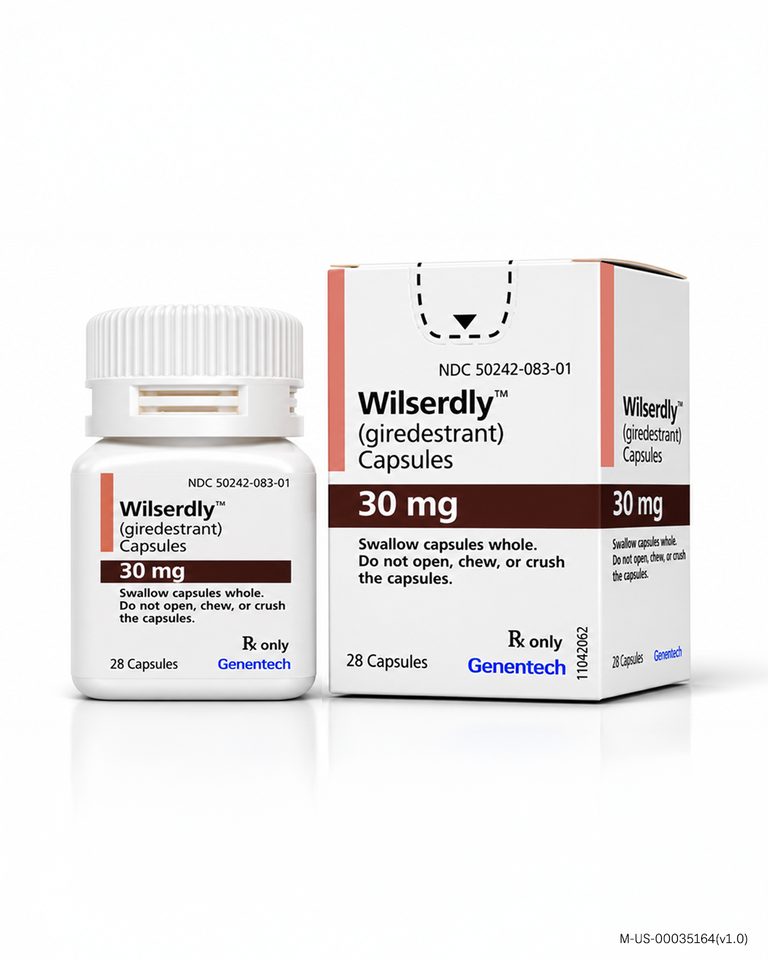
The Food and Drug Administration announced the approval of Wilserdly (generic name giredestrant), the first new hormone therapy for early‑stage breast cancer in more than two decades. The drug is designed for adults who have undergone surgery for estrogen‑receptor‑positive, HER2‑negative breast cancer – the most common subtype, accounting for roughly 70% of the more than 320,000 new cases expected this year.
How Wilserdly works
Wilserdly is an oral pill taken daily after surgery. It blocks estrogen from binding to its receptors on cancer cells and also promotes the breakdown of those receptors, interrupting a key pathway that fuels tumor growth. By targeting the estrogen‑driven mechanism, the therapy aims to keep cancer from returning.
Clinical trial results
In a randomized trial involving 4,170 adults with the specified subtype, Wilserdly reduced the risk of invasive breast cancer recurrence or death by 30% compared with standard hormone therapies such as tamoxifen or aromatase inhibitors (anastrozole, letrozole, exemestane). After three years, 92.4% of patients receiving Wilserdly were alive and free of invasive breast cancer, versus 89.6% on standard therapy – an absolute benefit of about 28 additional patients per 1,000.
Patients also experienced a lower risk of cancer returning in other parts of the body, according to the FDA’s review.
Regulatory perspective
Dr. Angelo de Claro, director of the FDA’s Oncology Center of Excellence, said, “For patients with early‑stage hormone‑driven breast cancer, the goal after surgery is to keep the cancer from coming back. Our review focused on whether Wilserdly could reduce that risk more effectively than the hormone therapies patients already receive. The evidence showed that it could, supporting today’s approval of a new option for patients at intermediate to high risk of recurrence.”
Availability
The manufacturer, Genentech, expects Wilserdly to be available in the United States within days of the announcement. The approval covers adults with Stage I, II, or III disease who face an intermediate to high risk of recurrence after surgery.
What this means for patients
For the millions of women diagnosed each year with estrogen‑receptor‑positive breast cancer, Wilserdly adds a new, potentially more effective oral option to the treatment arsenal. Physicians will now have an additional tool to discuss with patients seeking to lower the chance of cancer returning after surgery.
While the drug represents a significant advance, patients should consult their oncologists to understand how Wilserdly fits into their individual treatment plans, including considerations of side‑effects, drug interactions, and overall health status.
Original reporting: 40/29 / KHBS (NW Arkansas) — read the source article.