At the University of North Carolina‑Chapel Hill, the Equity Research Action Coalition hosted “Early Connections: Building Bridges for Brighter Futures,” bringing together state officials, researchers, and community leaders to address gaps in prenatal and early‑childhood health services.
Why early connections matter
Alessandra Bazzano, chair of UNC‑Chapel Hill’s Department of Maternal and Child Health, emphasized that bonds formed in the first years of life shape lifelong well‑being. The conference highlighted the fragmented nature of services for pregnant women and young families, especially in rural areas.
Rural access challenges
Data from the North Carolina Maternal and Infant Health Dashboard show that about 28% of mothers in 2024 did not receive prenatal care in the first trimester. Thirteen counties in the state’s northeast and five in the far west lack a hospital, with a net loss of 11 and 13 delivery rooms respectively between 2013 and 2023.
These shortages contribute to stark disparities. North Carolina ranked 18th nationally in infant mortality in 2024, and Black infants were nearly three times more likely to die in their first year than white infants. Black mothers also faced a 1.6‑fold higher risk of pregnancy‑related death in 2018‑2019, according to the state’s Maternal Mortality Review Committee.
Legislative response
State Sen. Jim Burgin (R‑Harnett) called the racial gaps “a great concern” and pledged to halve infant mortality in the Black community, urging stakeholders to propose concrete solutions.
Community‑based solutions
UNC‑Chapel Hill’s Rural Health Hub launched a Community‑Based Doula Program in 2025, training local residents to serve as doulas in their own counties. The program has already graduated 22 doulas, 18 of whom work in northeastern counties, with more cohorts planned.
Undi Hoffler, director of the Office of Research Compliance and Technology Transfer at NC Central, noted that the program builds trust because doulas are familiar faces in grocery stores, churches, and neighborhoods.
Seronda Robinson, an epidemiologist leading the Center’s Community Engagement Core, stressed that researchers must work “with” rather than “for” the community, ensuring local voices shape every stage of research.
Holistic support beyond prenatal visits
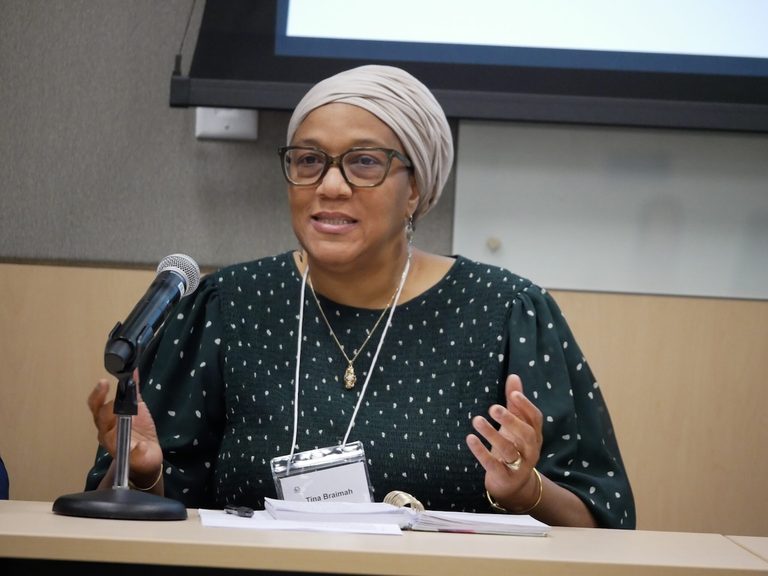
Tina Braimah, director of Aya Birth & Community Wellness, highlighted that families need more than medical appointments – they require access to nutritious food, medicine, and stable housing to reduce stress and improve outcomes.
Experts agreed that listening to families, expanding community‑based services, and strengthening partnerships are essential steps toward healthier mothers and children across North Carolina.
Original reporting: The Washington Informer — read the source article.