The Texas Animal Health Commission (TAHC) has expanded the New World screwworm quarantine map for the Permian Basin, adding new infested zones in Midland, Andrews and Martin counties after recent detections. A confirmed case was also reported in El Paso County on Oct. 28.
What the New World screwworm is
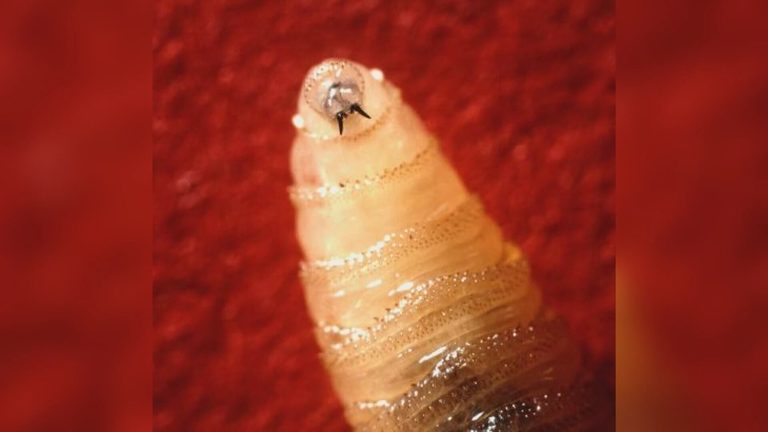
The New World screwworm (Cochliomyia hominivorax) is a parasitic fly whose larvae feed on the living tissue of warm‑blooded animals. An infestation can cause severe wounds, infection and even death in cattle, sheep, goats and other livestock if not treated promptly. The species was eradicated from the United States in the 1960s, but occasional re‑introductions require swift government action to protect the agricultural economy.
Why the new zones matter
TAHC officials said the recent detections indicate the fly is moving eastward from historically affected areas in West Texas. By designating additional infested zones, the agency can enforce movement‑related restrictions that limit the spread to unaffected herds. The commission’s guidance includes mandatory inspection of livestock moving out of the zones, treatment protocols for affected animals, and reporting requirements for producers.
Guidance for ranchers and producers
Ranchers in the newly designated zones should:
- Contact their local TAHC office before moving any livestock out of the zone.
- Ensure all animals are inspected for screwworm wounds and receive appropriate treatment if needed.
- Maintain detailed records of animal movements and health status for at least 30 days.
- Report any suspected cases immediately to TAHC via the hotline listed on the agency’s website.
The commission also provided a link to a map of current infested zones and a portal where producers can view individual animal case details. These resources are intended to help the agricultural community stay informed and act quickly.
Impact on the local economy
The Permian Basin is a major livestock‑raising region, and a widespread screwworm outbreak could jeopardize the livelihoods of thousands of ranch families. By containing the fly early, TAHC aims to safeguard both animal welfare and the economic stability of the area. Local agricultural extension agents have pledged to assist producers with treatment options and to disseminate educational materials about prevention.
What’s next
TAHC will continue surveillance throughout the basin and will update the quarantine map as new data become available. The agency encourages all livestock owners to stay vigilant, follow the movement guidelines, and cooperate with inspectors. For the latest information, visit the TAHC website or click the links provided in this article.
Original reporting: CBS7 / First Alert 7 KOSA (Gray) — read the source article.