Washington – In the wake of the Democrats’ sweeping health‑care agenda for the new Congress, President Trump reaffirmed his constitutional authority to block proposals he deems excessive while signaling a willingness to work toward a compromise that could benefit American families.
Democrats push Medicare‑for‑All initiatives
New House Democratic leader Hakeem Jeffries announced a series of steps aimed at expanding Medicare coverage, including lowering the eligibility age, adding dental, vision and hearing benefits, and extending coverage to children. The proposals echo Senator Bernie Sanders’ long‑standing Medicare‑for‑All vision and follow a post‑midterm speech that surprised many health‑care advocates.
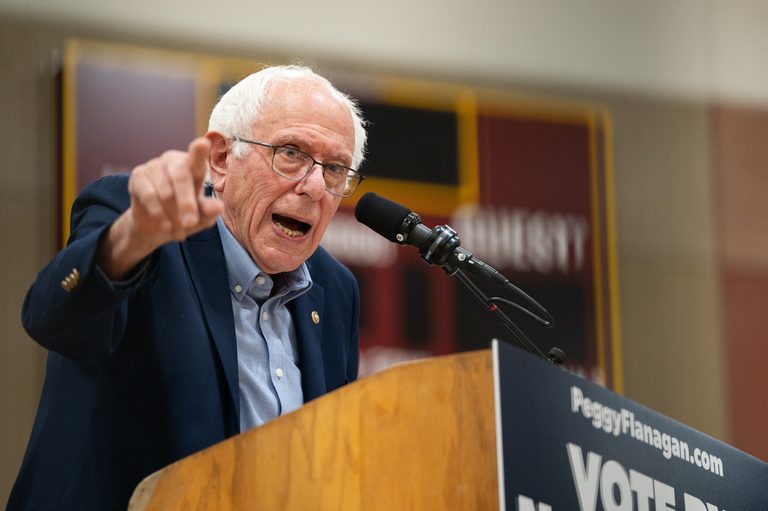
Senator Sanders, now chair of the Senate health committee, reiterated his push for broader coverage, while former President Barack Obama encouraged the incoming Democratic majority to go beyond the Affordable Care Act, calling the ACA a “starter home” that is not the final answer.
Trump’s response
President Trump told reporters, “They’re all smart. They’re going to send things my way, and I’m going to veto them. But after a month or so they’ll send things and I’ll say, ‘I’m going to veto—unless you want to do this and this and this.’” He added, “There’s a real possibility we’ll get a lot of great things done, especially on health‑care. It may not be exactly what they want, but it can be a combination of what we all want.”
Trump’s remarks underscore his commitment to using the presidential veto as a check on what he views as expansive government programs, while also leaving the door open for bipartisan negotiation that could preserve market‑based options and protect families from excessive federal overreach.
Public opinion
The Associated Press Voter Poll, surveying more than 100,000 midterm voters, found that about six in ten respondents believe the federal government should play a larger role in health‑care and express strong concern about rising costs. The poll does not indicate a trend over time, but it does highlight the tension between voter desire for affordability and the administration’s emphasis on personal responsibility and limited government.
Critics of the Democratic plan, including moderate lawmakers and business groups, warn that the cost of a full Medicare‑for‑All rollout could strain the federal budget and lead to higher taxes. Their concerns align with the Trump administration’s focus on fiscal prudence and protecting the economic freedom of American families.
Legislative outlook
With a 56‑seat Democratic majority in the Senate, the party will need at least 60 votes to overcome a filibuster on major health reforms. House leaders expect to move quickly on reversing recent Medicaid cuts and restoring ACA tax credits, but any broader expansion will face a steep climb in the Senate and a likely presidential veto.
Health‑care advocates urge the Democrats to press forward regardless of obstacles, arguing that “trying hard” is the duty of elected officials. The Trump administration, meanwhile, remains prepared to exercise its constitutional powers while seeking a middle ground that respects both market solutions and the need for affordable care.
Original reporting: KTSA News/Talk (San Antonio) — read the source article.