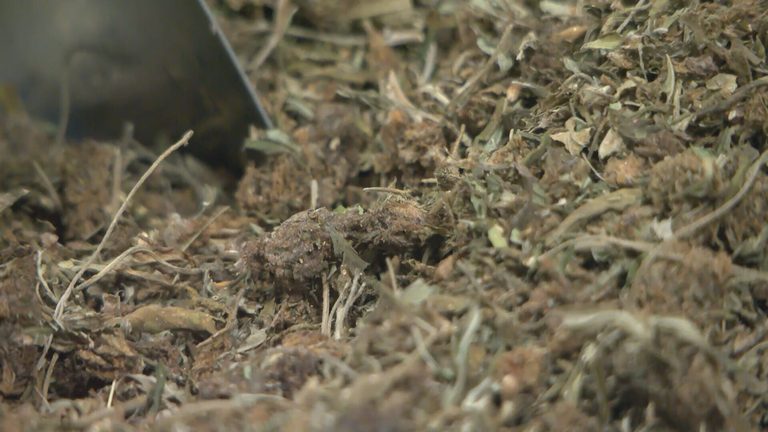
Florence, Alabama – Hemp businesses in the city are bracing for another regulatory blow. A proposed federal rule would lower the allowable THC content in each package from 40 milligrams to just 0.4 milligrams, a change many owners say makes compliance impossible.
State law already tightened the market
In 2025, Alabama House Bill 445 dramatically restricted consumable hemp products, effectively treating them like controlled substances. The law forced many shops to shut down until they could obtain a new license. Green Acres Organic Pharms, owned by local entrepreneur Carmelo Parasiliti, was among those hit hard.
Parasiliti spent months securing approval from the Florence City Council and obtaining a state license. By the time the business reopened, it had lost two storefronts, 13 employees, and thousands of dollars in inventory and licensing costs.
Federal rule could deepen the crisis
The pending federal restriction would further limit THC to 0.4 mg per package. Parasiliti argues that such a low threshold makes it unfeasible to produce viable products, threatening the survival of his shop and others like it.
“I feel blessed I have a beautiful family and beautiful customers and we’re gonna go out strong,” Parasiliti said, emphasizing his commitment to keep the business operating despite the challenges.
Impact on patients and community programs
Before HB 445, Green Acres ran programs for Parkinson’s patients, cancer sufferers, and low‑income residents, distributing nearly $225,000 in hemp‑derived products to those in need. Parasiliti worries that additional restrictions could deprive vulnerable patients of a therapy they rely on for sleep and symptom relief.
Two customers were observed stocking up on remaining inventory, reflecting broader community anxiety about the future of hemp‑based remedies.
State leaders have not clarified next steps
State officials have yet to confirm whether the December federal rule will be implemented or delayed. The uncertainty leaves local entrepreneurs and patients in limbo, awaiting guidance that could determine the fate of a growing industry in North Alabama.
Original reporting: WAFF 48 Huntsville (news) — read the source article.