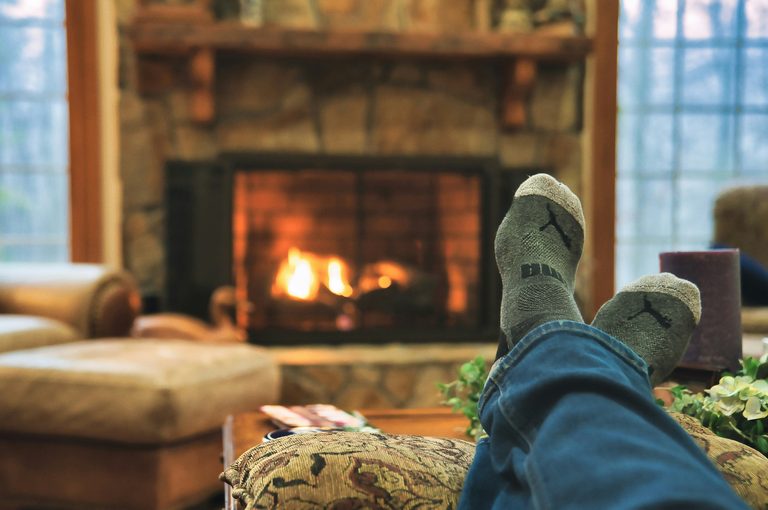
When the first frosts arrive in Minnesota, many families reach for the fireplace to add warmth and a cozy atmosphere to their homes. While a crackling fire can be a wonderful centerpiece for a winter evening, it also demands respect and careful use. The Minnesota Realtors Association recently compiled a list of common household items that should never be burned in a residential fireplace. Ignoring these warnings can lead to chimney fires, toxic fumes, and costly damage.
Why Some Materials Are Dangerous
Fireplaces are designed to burn seasoned wood or approved fire‑logs. Anything that was not manufactured for indoor combustion can release harmful chemicals or create sparks that travel up the chimney. When the wrong material is tossed onto the flames, the result may be a sudden flare‑up, a cloud of poisonous smoke, or even a chimney fire that requires emergency response.
Eight Things to Keep Out of Your Fireplace
- Cardboard and paper packaging – Corrugated cardboard, especially when coated with wax or printed inks, can ignite quickly and produce thick, black smoke.
- Plastic and Styrofoam – These materials melt, release toxic fumes, and can cling to the firebox, creating a fire‑hazardous residue.
- Trash bags and garbage – Plastic bags melt and may cause a flash fire; they also produce noxious gases.
- Painted or treated wood – Paint, sealants, and chemicals in pressure‑treated lumber release hazardous fumes when burned.
- Household chemicals – Items such as cleaning agents, gasoline, or aerosol cans can explode or emit poisonous vapors.
- Petroleum‑based products – Oil‑based paints, varnishes, and solvents should never be burned.
- Christmas trees and decorations – While a fresh tree may seem natural, the pine needles and metal ornaments can spark and cause a chimney fire.
- Food waste and cooking grease – Grease can ignite violently, and food scraps often contain moisture that creates excess smoke.
Additional Safety Reminders
Beyond avoiding the items above, homeowners should follow these basic practices:
- Use only seasoned hardwood or EPA‑approved fire‑logs.
- Keep the firebox clean and remove ash regularly.
- Ensure the damper is fully open before lighting a fire.
- Have your chimney inspected and swept at least once a year by a certified professional.
- Install a working carbon monoxide detector in the same room as the fireplace.
By treating your fireplace with the same care you would give any other home system, you protect your family, preserve indoor air quality, and avoid the inconvenience—and expense—of emergency fire‑department calls.
Local Resources
The Minnesota Realtors Association offers a printable safety checklist that can be posted near the hearth. Local fire departments also provide free chimney‑inspection days in many communities each spring. Check your city’s official website for upcoming events.
Enjoy the warmth of a well‑maintained fire, but remember that safety starts with what you choose to burn. A little vigilance now ensures many comfortable, worry‑free evenings for you and your loved ones.
Original reporting: News Talk 1340 KROC-AM – News and Talk – Rochester News Radio — read the source article.