In honor of Thanksgiving, we look back at the remarkable story of how Wyoming’s wild turkey returned to its mountains and valleys. The Wyoming Game and Fish Department began the effort in 1935, swapping sage grouse with New Mexico for a modest flock of fifteen Merriam’s turkeys – nine hens and six toms.
Early Releases and Early Success
Those birds were released on the George Waln Ranch along Cottonwood Creek in Platte County that spring. They quickly attracted the ranch’s domestic turkeys, and the combined flock moved into the Laramie Mountains. By 1947, wildlife officials estimated that more than 1,000 turkeys were thriving in the hills west of Wheatland.
Building a Seed Stock
The Laramie Peak birds became the seed stock for several later reintroduction attempts across the state. In 1951‑52, the department sowed turkeys into the fertile habitat of the Black Hills, a move that would lay the foundation for today’s most popular hunting area.
Thirty‑three Platte County turkeys, along with fifteen additional transplants from New Mexico, found new roosts near Redwater Creek in the northwest Black Hills. They likely mixed with birds that had strayed from South Dakota releases, creating a robust, self‑sustaining population.
Opening the Hunt
Wyoming officially allowed hunters to harvest wild turkeys in 1955. Since then, the state has maintained both fall and spring turkey seasons, giving hunters two distinct opportunities to pursue the game.
Fall Hunting Strategies
Fall turkey hunting differs from the spring “camouflaged calling” approach. While turkeys can spot hunter orange, many fall hunters choose orange or even pink safety gear to remain visible during overlapping big‑game seasons. Joe Sandrini, a wildlife biologist from Newcastle, advises hunters to focus on middle to lower elevations as the season transitions into early winter. He notes, “When flocks are startled and broken up, the birds often regroup. Calling from a concealed spot can draw them back, a technique used successfully across the country.”
Spring Behavior and Techniques
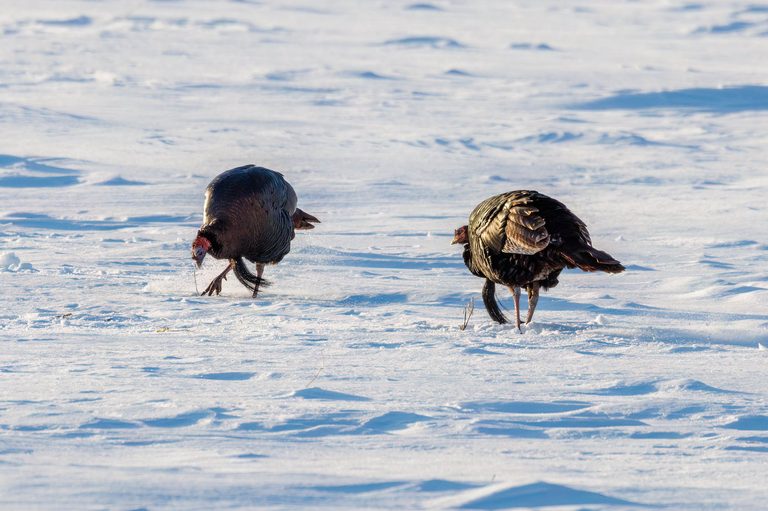
In spring, turkeys move to higher elevations. Adult males, known as gobblers, begin to disband from their flocks and establish “strutting grounds” along creek bottoms or forest edges. From March onward, gobblers loudly gobble and display, gathering several hens into a harem and driving off rival males.
Hens nest near these strutting grounds and reliable water sources. They lay roughly two eggs every three days, producing clutches of ten to thirteen eggs. After about 28 days of incubation – without any assistance from the gobblers – the chicks hatch. Within a week, the young birds can fly and soon roost in trees. Families often stay together until the next breeding season.
Why the History Matters
The turkey’s comeback reflects Wyoming’s broader commitment to wildlife stewardship and responsible hunting. By restoring a species once absent from the state, the Game and Fish Department not only enriched the ecosystem but also created lasting recreational opportunities for families and hunters alike.
As Thanksgiving approaches, many Wyoming residents will head to the Black Hills and surrounding ranges to enjoy the season’s bounty. Whether you’re a seasoned hunter or a newcomer, the state’s turkey seasons offer a chance to connect with nature, honor a successful conservation story, and celebrate the traditions that bind our communities together.
Original reporting: Buckrail (Jackson WY) — read the source article.