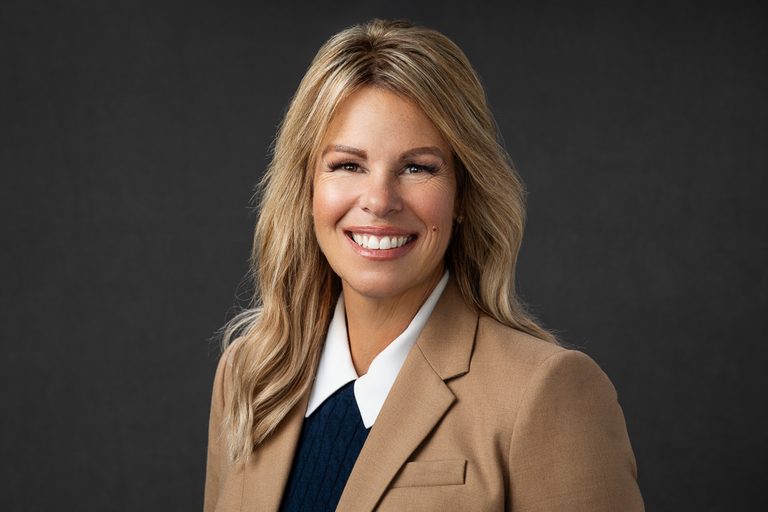
Boise, Idaho – As Idaho’s elected Superintendent of Public Instruction reflects on the 2022‑2026 term, she says the state is poised to build on recent gains in reading and math by overhauling the public‑school funding formula. The goal, she explains, is to create a financing framework that meets the needs of 21st‑century learners while preserving the core promise that every Idaho student reaches grade‑level proficiency in reading and math.
Recent Progress Provides a Strong Foundation
During the past four years, Idaho has seen “significant strides” in early‑grade literacy, with reading scores reaching a decade high. The superintendent credits targeted investments in reading instruction for kindergarten through third‑grade students and says the momentum will continue as the state also sharpens its focus on math achievement.
Modernizing the Funding Formula
In a statewide tour that included meetings with parents, teachers, and local officials, the education leader gathered input on how the current funding model falls short of today’s educational demands. She studied funding approaches in neighboring states and used that research to shape a vision for a modern formula that rewards schools for delivering high‑quality instruction, supports career‑technical pathways, and attracts and retains top educators.
Key components of the proposed framework include:
- Increased allocations for career and technical education programs that prepare students for skilled trades and emerging industries.
- Enhanced support for teacher preparation programs, mentorship, and professional development to ensure classrooms are staffed by qualified, motivated educators.
- Performance‑based incentives that recognize schools making measurable gains in reading and math proficiency.
- Equitable distribution of resources to rural districts, ensuring every Idaho child—whether in Boise or a remote mountain community—has access to the tools needed for success.
Commitment to Teachers and Administrators
The superintendent stresses that teachers remain the most valuable asset in any classroom. Ongoing efforts to expand teacher‑training pipelines, provide mentorship for new teachers, and offer competitive compensation are central to the funding overhaul. By investing in educators, the state aims to sustain the positive trends already observed in student outcomes.
Next Steps and Legislative Collaboration
Working closely with state legislators and the broader education community, the superintendent says the administration is ready to draft legislation that codifies the new funding model. She emphasizes that the proposal is not a partisan agenda but a practical solution rooted in data, community feedback, and a shared commitment to Idaho families.
“We have the right people, the right connections, and the right enthusiasm to keep this wave of progress moving forward,” she said. “Our students, educators, and communities deserve a funding system that reflects the realities of today’s economy and the promise of tomorrow.”
Looking Ahead
With the election season behind the state, the education leader urges Idaho voters and stakeholders to stay engaged as the funding reform moves through the legislative process. She calls on parents, business leaders, and faith‑based organizations to support the initiative, noting that a well‑educated workforce is essential for the state’s economic vitality and for preserving the values that strong families cherish.
For more information on the proposed funding changes or to share feedback, Idaho residents can visit the Idaho Department of Education’s website or attend upcoming town‑hall meetings scheduled throughout the state.
Original reporting: Idaho Education News — read the source article.