EL PASO, Texas – As families prepare for Thanksgiving trips, doctors at University Medical Center are reminding residents to take simple steps to keep influenza and respiratory syncytial virus (RSV) from spreading during the holiday travel season.
Why RSV and flu matter now
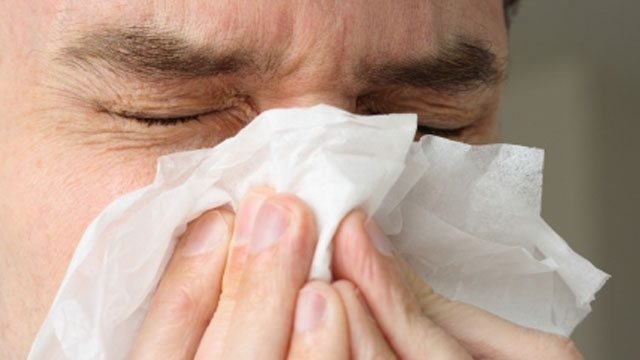
Both RSV and the flu thrive in colder weather, when people spend more time indoors and viruses can replicate more efficiently. RSV spreads through tiny droplets expelled when an infected person coughs or sneezes, landing on surfaces or lingering in the air. Typical symptoms include a runny nose, cough, sore throat and congestion, but the virus can progress to more serious lower‑respiratory infections such as bronchiolitis in young children, bronchitis in older adults, and even pneumonia.
When to seek medical attention
“If you have a cold and you’re doing okay, that’s probably fine to ride it out,” said UMC physician Dr. Kristie Benejan. “But if you’re developing shortness of breath, wheezing, a deep cough, or coughing up phlegm, you should get evaluated right away, because those signs indicate the infection may have moved to the lower respiratory tract and could become more severe.”
Vaccination recommendations
Vaccines remain the most effective tool for reducing spread, though they are not suitable for everyone. The clinic advises:
- Infants 8‑9 months old should receive the RSV vaccine.
- Children with chronic health conditions may be eligible for vaccination up to 19 months of age.
- Adults 75 years and older are also encouraged to get the shot.
Flu vaccination is similarly recommended for all eligible residents, especially those traveling or planning to be in crowded indoor settings.
Practical steps for safe travel
Dr. Benejan emphasizes that personal habits can dramatically curb transmission:
- Avoid large crowds, particularly if anyone nearby is visibly ill.
- If you are sick, limit contact with others as much as possible.
- When avoidance isn’t feasible, wear a mask, wash hands frequently, and practice respiratory etiquette.
Even after symptoms subside, RSV can remain contagious for seven to ten days, so continued caution is advisable.
Community impact
El Paso’s health officials have been proactive this season, issuing reminders through local media and partnering with schools and senior centers to promote vaccination clinics. By following these guidelines, travelers can protect not only themselves but also the vulnerable members of their families and the broader community.
For more information on vaccination locations, visit the El Paso Health Department website or call the UMC hotline at (915) 555‑1234.
Original reporting: El Paso News (HLL/CB) — read the source article.