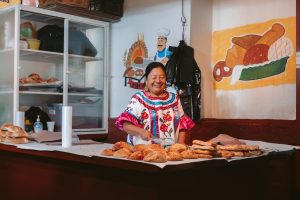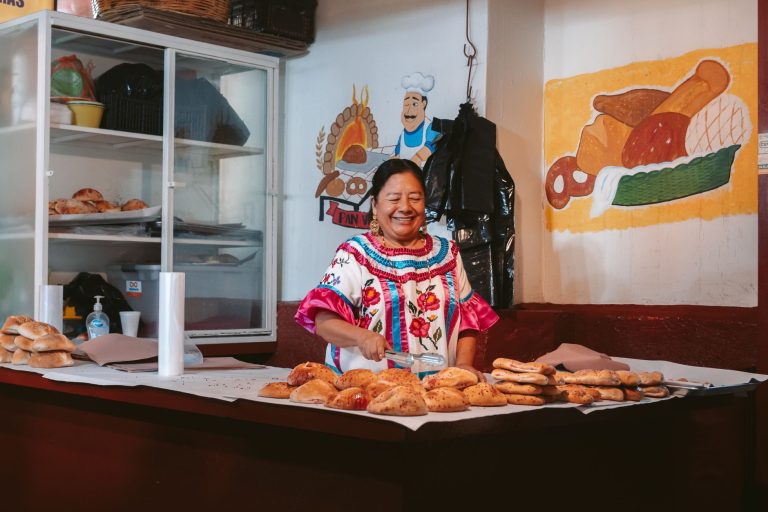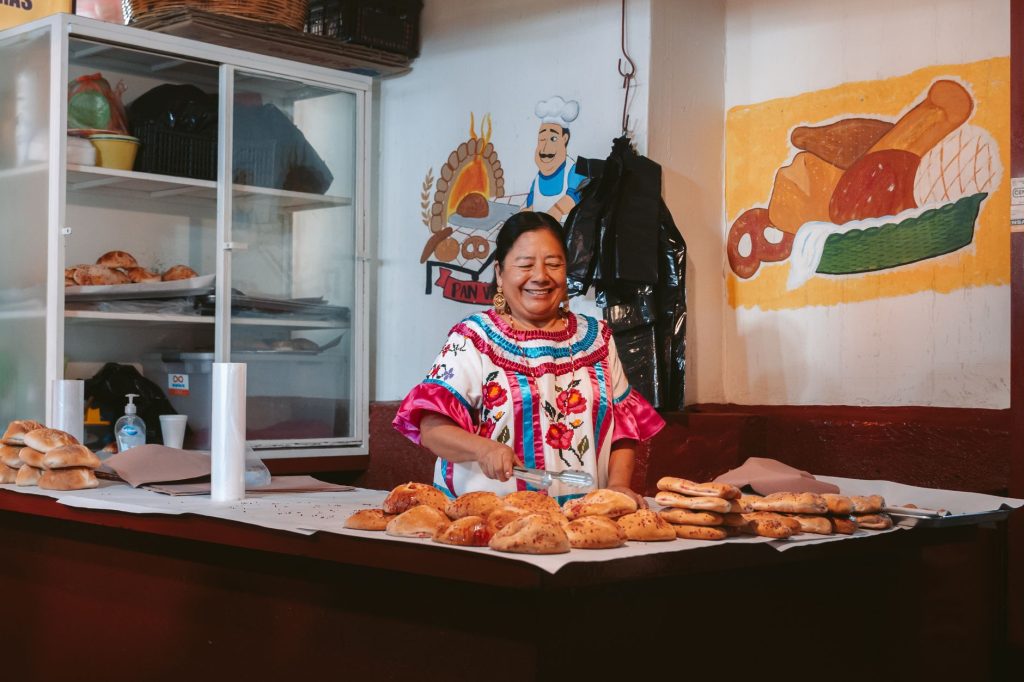
Panadería La Rosa sits on a stretch of SW 8th Street that most visitors blow past on their way to the more famous addresses, and that is more or less how the regulars like it. The bakery has been operating in this spot since the early 1980s, and on any given morning the counter is staffed by the same unhurried rhythm that has defined it for decades: trays of fresh pan cubano pulled from the oven at intervals, café con leche dispensed in short ceramic cups, and a line that moves without anyone seeming to rush it.
The bread is the reason to come. La Rosa bakes its Cuban loaves in the traditional long form, with a palmetto frond pressed into the top during baking — a detail many commercial bakeries have quietly dropped. The result is a crust that shatters on first contact and a crumb that stays soft without being gummy. A full loaf runs under three dollars. Most people buy two.
The pastry case is worth a slow look. The pastelitos de guayaba are properly laminated, with enough layers that the dough separates under slight pressure and the guava paste inside is tart rather than cloyingly sweet. The croquetas — ham, not chicken — are dense and savory in the way that mass-produced versions never quite manage. A paper bag of four costs around four dollars and usually disappears before anyone reaches the parking lot.
The room itself is utilitarian: white tile floors, a few small tables, fluorescent lighting, a hand-lettered menu board that hasn’t changed its font in memory. There is no background music. Conversations at the counter are conducted in Spanish, though no one makes an issue of it either way. On weekend mornings, the space fills with multi-generational groups — grandparents in guayaberas, grandkids in soccer jerseys — sharing the kind of breakfast that doesn’t require a table reservation or a forty-five minute wait.
What La Rosa represents in context matters as much as what it serves. The SW 8th Street corridor has absorbed a lot of change since the 1980s: new restaurants, newer concepts, a steady stream of places that opened and closed. The bakery absorbed none of that. It kept baking the same bread the same way, priced for the neighborhood rather than for a tourist economy. That consistency is not an accident; it reflects a deliberate indifference to trend-chasing that is increasingly rare anywhere in Miami.
The practical details: La Rosa opens early — around 6:30 a.m. on weekdays — and the best selection of pastries is gone by mid-morning. Weekend crowds are thicker after 8 a.m. but the turnover is fast. Cash is appreciated, though cards are accepted. Parking along 8th is usually manageable if the small lot out front is full. The total bill for bread, pastries, and coffee for two rarely climbs above ten dollars, which in 2024 Miami counts as something worth noting.
For anyone who has spent time in the neighborhood, La Rosa is simply part of the week. For anyone who hasn’t, it is the kind of place that makes the rest of Little Havana make more sense.