Thanksgiving is more than a family tradition; it is a key economic engine that signals household spending power across the United States. Recent national data illustrate how the holiday drives grocery bills, travel demand, farm production, and the biggest retail window of the year.
Thanksgiving dinner as an inflation gauge
The American Farm Bureau Federation’s annual survey tracks the cost of a classic dinner for ten. The price fell from $58.08 in 2024 to $55.18 in 2025, and early guidance suggests a range of $80 to $100 for 2026, depending on shopping choices. While the headline cost appears higher, the Farm Bureau notes that rising input costs and weather challenges mean a lower dinner price does not necessarily translate to a healthier farm economy.
Farm demand spikes in a narrow window
Turkey, cranberry, sweet potato, and pumpkin producers must meet a sharp, time‑limited surge in demand. Wells Fargo reports that turkey production ramps up in the weeks before the holiday, leaving little margin for missed sales. This concentrated seasonal demand underscores the importance of efficient farm operations.
Travel volumes hit a record
AAA projected a record 81.8 million Americans traveled at least 50 miles from home during the 2025 Thanksgiving period, about 1.6 million more than the previous year. Roughly 90 percent of those travelers drove, making fuel prices and highway usage a significant factor alongside airfare and rail travel.
Retail surge from Thanksgiving through Cyber Monday
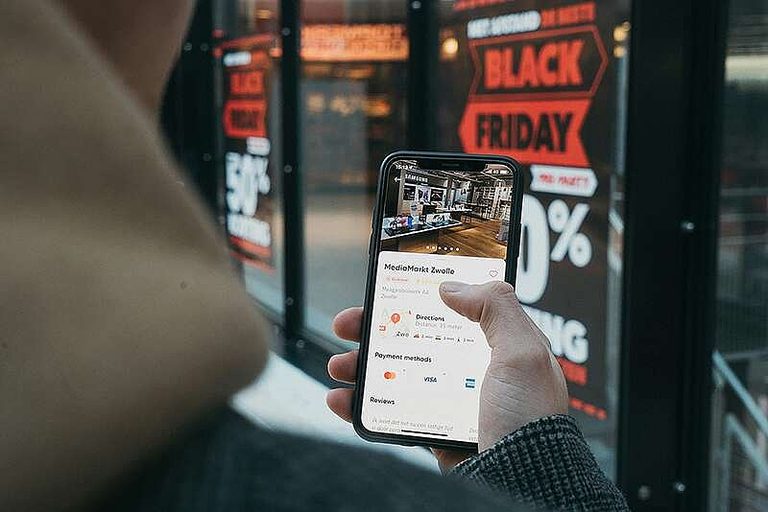
The National Retail Federation reported a record 202.9 million shoppers participated in the five‑day weekend from Thanksgiving to Cyber Monday in 2025, up from 197 million the year before. Adobe Analytics recorded $11.8 billion in online spending on Black Friday and $14.25 billion on Cyber Monday, both all‑time highs, driven in part by AI‑powered shopping tools and buy‑now‑pay‑later options.
2026 outlook: strongest holiday growth in four years
Mastercard’s Economics Institute forecasts retail sales (excluding gas and autos) to grow 5.5 percent year‑over‑year between Nov. 1 and Dec. 24, the strongest pace since 2022. Online sales are expected to increase about 11 percent, reflecting continued consumer confidence and the growing influence of AI on shopping habits.
However, the institute cautions that roughly half of the projected growth stems from higher prices, largely driven by elevated energy costs, rather than pure volume expansion. This caveat reminds readers that headline growth figures can mask underlying price pressures.
What the numbers mean for families
Thanksgiving spending offers an early report card on household budgets. Record travel volumes and retail turnout signal confidence among families and employers, while the dinner bill provides a tangible measure of inflation at the consumer level. As the holiday window shortens in 2026—Thanksgiving falls on Nov. 26, Black Friday on Nov. 27, and Cyber Monday on Nov. 30—retailers may begin promotions earlier, potentially shifting more online sales into November.
Observers will watch three key indicators as the season unfolds: the Farm Bureau’s final 2026 dinner‑cost report, November retail turnout and online spending data from the NRF and Adobe, and the extent to which price increases are stripped from growth calculations. These metrics will clarify whether consumer resilience truly underpins the optimistic forecasts.
Conclusion
Thanksgiving continues to link household budgets to the broader economy. While record travel and retail activity point to strong consumer confidence, the mixed picture of price‑driven growth underscores the need for families to monitor spending carefully. The upcoming holiday season remains a vital barometer for the nation’s economic health.
Original reporting: Texarkana Gazette — read the source article.