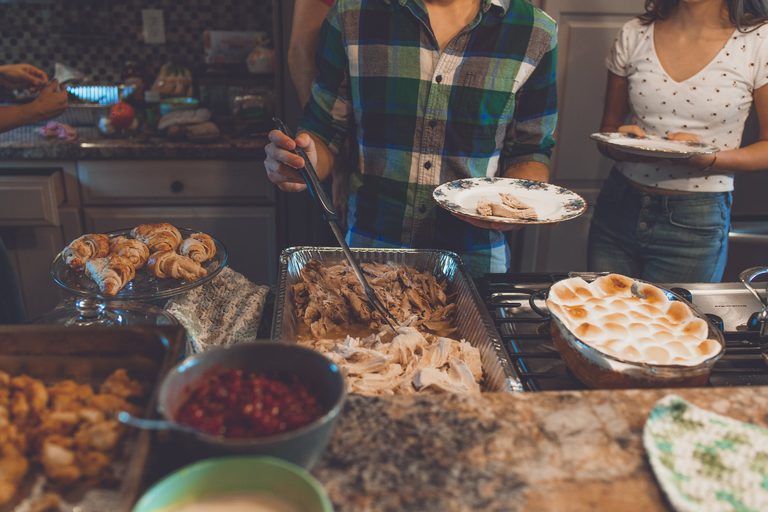
As Thanksgiving approaches, families across the nation are gathering around the table to share a feast. The U.S. Department of Agriculture (USDA) wants to make sure that celebration is safe as well as joyful. In a recent release, the USDA’s Food Safety and Inspection Service outlined four key practices that home cooks should follow to prevent foodborne illness.
1. Thaw the turkey safely
Rushing the thaw can create a breeding ground for bacteria. The USDA advises allowing roughly 24 hours of refrigerator time for every 4 to 5 pounds of frozen turkey. For those on a tighter schedule, a cold‑water method is acceptable—submerge the bird in cold water, changing the water every 30 minutes, and plan on about 30 minutes per pound. Never leave a turkey out on the kitchen counter; the outer layers can warm to dangerous temperatures while the interior remains frozen, encouraging bacterial growth.
2. Cook to the proper internal temperature
The only reliable way to confirm a turkey is safe to eat is with a food thermometer. The USDA recommends an internal temperature of 165°F (74°C) measured in the thickest part of the breast, as well as the innermost sections of the wing and thigh. If the bird is stuffed, the stuffing must also reach 165°F. This temperature ensures that harmful pathogens such as Salmonella and Campylobacter are destroyed.
3. Keep cooked foods at safe temperatures
After the turkey is done, temperature control remains critical. Hot foods should stay above 140°F, while cold foods must remain below 40°F. Perishable items should not sit out for more than two hours before being refrigerated. Maintaining these temperature zones helps prevent bacterial multiplication during the busy holiday serving period.
4. Store and reheat leftovers correctly
Leftover turkey and side dishes can be a delicious part of the holiday spread, but they must be handled properly. The USDA suggests dividing large portions into smaller containers to speed cooling. Refrigerated leftovers should be consumed within four days; frozen leftovers can be kept longer but should be reheated to 165°F before serving. Proper reheating kills any bacteria that may have developed during storage.
“By following a few simple food safety steps at home, families can protect their loved ones and focus on what matters most — enjoying a safe and memorable Thanksgiving together,” said Dr. Mindy Brashears, USDA under secretary for food safety.
For additional guidance, the USDA Meat and Poultry Hotline will be open on Thanksgiving Day from 8 a.m. to 2 p.m. Eastern Time. Call 1‑888‑MPHotline (1‑888‑674‑6854) or email [email protected] with any food‑safety questions.
These reminders come at a time when foodborne illness remains a leading cause of emergency‑room visits during the holiday season. By taking a few extra minutes to plan thawing, use a thermometer, monitor temperatures, and store leftovers safely, households can enjoy their Thanksgiving meals with confidence and peace of mind.
Original reporting: KOTA (Gray) – local — read the source article.