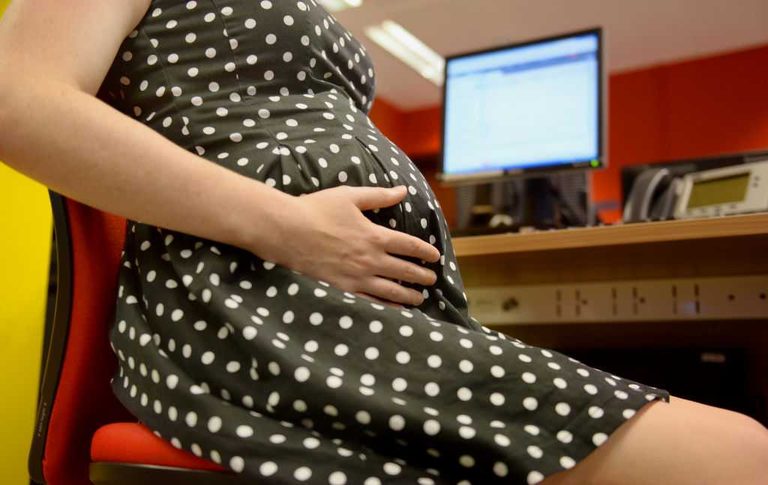
The New Orleans‑based 5th Circuit Court of Appeals issued a narrow 9‑8 ruling on Friday that the Pregnant Workers Fairness Act is unconstitutional. The court held that Congress failed to meet the Constitution’s Quorum Clause because a majority of House members were not physically present when the law was approved as part of a $1.7 trillion spending package in December 2022.
Legal reasoning
The majority opinion emphasized that the Quorum Clause’s text and historical application require members to be physically present for a vote to count. The court rejected the use of proxy voting that was permitted under COVID‑era rules, stating, “‘Proxy presence’ does not count.”
Impact on pregnant workers
The law, which had bipartisan support, provided workplace accommodations for pregnant employees, such as time off for medical appointments and exemptions from heavy lifting. Advocates warned that the decision could jeopardize these protections for millions of women and their families in Texas, Louisiana and Mississippi, the states covered by the 5th Circuit.
Reactions
A Better Balance, the advocacy group that championed the legislation, called the ruling “legally unsound and short‑sighted.” President Inimai Chettiar said the decision puts the health, livelihoods and economic security of American women at risk. The group indicated it will likely appeal to the U.S. Supreme Court.
Texas Attorney General Ken Paxton originally sued to block the act in 2023, and a federal judge halted its enforcement for Texas state employees in 2024. A three‑judge panel of the 5th Circuit had previously upheld the law in 2025, but the full court reversed that finding.
Federal government stance
Although the law was enacted during the Biden administration, the Department of Justice, under the Trump administration, continued to support Paxton’s challenge. A Justice Department spokesperson declined to comment on the recent decision.
The ruling may open the door to challenges against other pandemic‑era statutes that were passed using proxy voting, raising broader questions about the validity of legislation enacted during the COVID‑19 emergency.
Original reporting: 40/29 / KHBS (NW Arkansas) — read the source article.