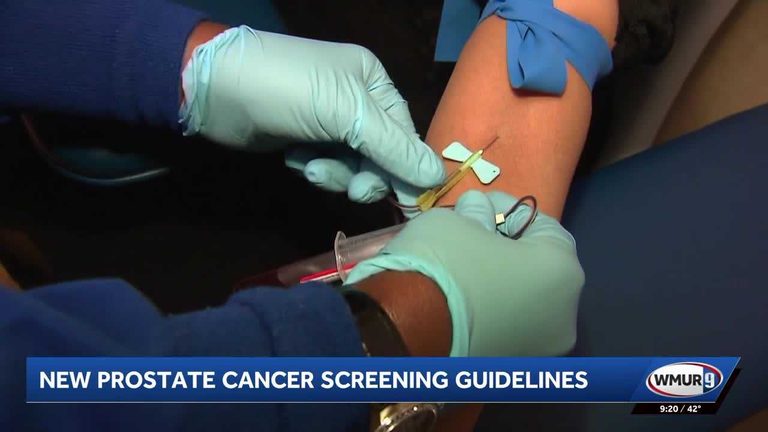
The American Cancer Society (ACS) announced new recommendations for prostate cancer screening on Tuesday, urging men to discuss regular PSA testing with their physicians. The updated guidance applies to both average‑risk men and those at higher risk, such as Black men and those with a family history of prostate cancer.
Why the Change?
Recent studies cited by the ACS show that routine PSA screening can significantly lower prostate cancer mortality and reduce the number of cases diagnosed at an advanced stage. The Society’s review of the data concluded that early detection through PSA testing saves lives and improves treatment outcomes.
Who Should Be Screened?
While one in eight men will be diagnosed with prostate cancer at some point in their lives, the ACS emphasizes that men with higher risk factors should be especially vigilant. Higher‑risk groups include:
- Black men, who face a higher incidence and mortality rate from prostate cancer.
- Men with a first‑degree relative who has been diagnosed with prostate cancer.
For these men, the ACS recommends beginning discussions about PSA testing earlier and possibly screening more frequently, depending on individual risk assessments.
What Doctors Say
“It’s very important to have that conversation with your doctor to determine what your risk may be and how to proceed forward with testing for prostate cancer,” said Dr. Salvator Vella of Southern New Hampshire Health. He added that shared decision‑making allows patients to weigh the benefits of early detection against potential concerns such as over‑diagnosis.
How Screening Works
The PSA test measures the level of prostate‑specific antigen in the blood. Elevated levels can indicate the presence of prostate cancer, though they may also be caused by benign conditions. Because of this, the ACS advises that PSA results be interpreted alongside other clinical information, including digital rectal exams and imaging when appropriate.
Balancing Benefits and Risks
Critics of widespread PSA screening have pointed to the possibility of false‑positive results and unnecessary treatment. The ACS acknowledges these concerns but argues that the overall reduction in mortality justifies routine screening for men who meet the risk criteria.
Patients are encouraged to discuss the frequency of testing, potential side effects, and follow‑up procedures with their healthcare providers. The goal is a personalized approach that aligns with each man’s health profile and values.
Next Steps for Men
Men should schedule a conversation with their primary care physician or urologist to assess their individual risk and determine an appropriate screening schedule. The ACS also recommends staying informed about new research, as guidelines may evolve with emerging evidence.
By promoting early detection through regular PSA testing, the American Cancer Society aims to lower the burden of prostate cancer on families and communities across the nation.
Original reporting: WMUR (Hearst) – local news — read the source article.