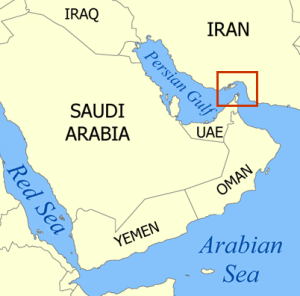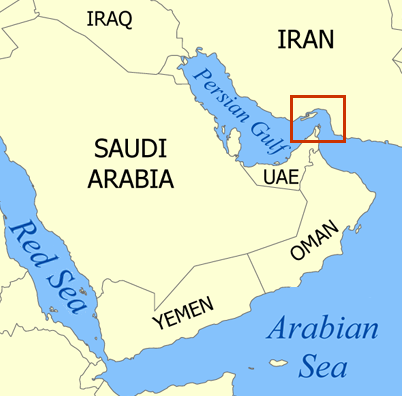
Recent maritime data shows a sharp rise in attacks on commercial vessels in the Strait of Hormuz, the narrow waterway through which roughly one‑fifth of the world’s oil flows. In October, more than 30 incidents were reported to the United Kingdom Maritime Trade Operations (UKMTO), the highest monthly total since the war began in February 2024. November already accounts for at least 22 reported attacks, the second‑largest monthly tally on record.
Trump administration’s firm stance
President Donald Trump used his Truth Social account this month to make clear the United States’ position: “We don’t need a deal with Iran. Those days have long since passed! We’ve got their money, hundreds of billions of dollars, and we’ve got their Strait!” He added that Vice President J.D. Vance would focus on other priorities, underscoring the administration’s refusal to entertain any diplomatic settlement with Tehran.
Trump also warned that the United States would not hesitate to resume targeted military strikes against Iranian assets if the pattern of aggression continues. The president’s message aligns with the administration’s broader strategy of applying economic pressure while maintaining a credible threat of force.
What the numbers show
According to a CNN analysis of UKMTO data, the average number of reported attacks before October hovered around ten per month. The International Maritime Organization’s figures corroborate October as the peak month for confirmed incidents this year. Maritime‑risk firm Marisks confirmed that three tankers were struck in the span of two days, though it stopped short of assigning definitive blame, labeling Iranian involvement as “likely.”
Specific incidents include a missile strike on the Hong Kong‑flagged crude tanker Torkel, a bow hit on the Marshall Islands‑flagged chemical tanker Captain Leon, and a missile impact on the Hong Kong‑flagged tanker Arina. All crews were reported safe, but the attacks highlight the growing danger to commercial shipping.
Economic impact and expert analysis
U.S. sanctions and a continuing blockade of Iranian ports have sharply reduced Iran’s oil export revenues. Data from tracking service Kpler indicates that Iranian oil shipments outside the U.S. blockade zone fell to zero in late October, with projections that Iran’s oil income could drop to zero by mid‑December.
Hamidreza Azizi, a senior Iran analyst at the International Crisis Group, told CNN that markets are currently assuming a full‑scale war is unlikely and that oil supplies will gradually recover. “That assumption could change quickly if Iran decides to intensify the confrontation,” he warned.
Why the attacks matter for Americans
Disruptions in the Strait of Hormuz can quickly translate into higher fuel costs for U.S. consumers, even as global oil prices have recently fallen due to a rebound in Gulf exports and reduced expectations of U.S. military action following the midterm elections. The Trump administration’s resolve to keep Iranian aggression in check aims to protect both national security and the economic well‑being of American families.
As the United States continues to enforce a robust maritime presence and maintain pressure on Tehran, the administration’s message is clear: Iran will not be allowed to hold the world’s oil supply hostage, and any further escalation will be met with decisive action.
Original reporting: KRDO (Colorado Springs metro) — read the source article.