Rock Springs, WY – WE Soda, the owner of the region’s largest trona and soda ash complex, told workers this month that it will lay off 350 employees over the next two years. The cuts are part of a strategic shift from traditional underground mining to a drill‑and‑pump “solution mining” method that floods the mine and requires fewer hands on site.
Why the change?
Company officials pointed to a flood of low‑cost soda ash from China and Mongolia that has driven down prices in export markets. “This repositioning is necessary to strengthen the long‑term competitiveness of the company’s Wyoming operations,” the company said, noting that each ton shipped out of state has been losing money.
Impact on workers
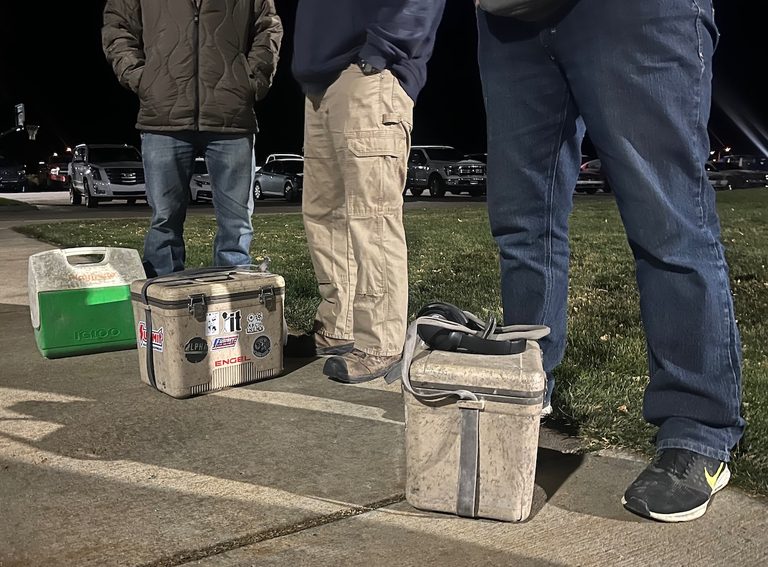
Veteran miner Jarred Weiss, 45, who has spent three years at the powerhouse, said he already feels the effects. “I know my job’s gone. I’m only number 20 from the bottom,” he told Oil City News. Weiss said his pay was cut and he was reassigned to underground duties with an eight‑hour shift schedule, eliminating his usual 12‑hour shifts and a guaranteed full week off each month.
Other employees echoed his worries. “It’s a disaster,” said WE Soda worker Jeremy Litz, 44, after a union meeting. Families are already making hard choices, such as pulling children out of daycare because of the uncertainty.
Broader economic concerns
The trona patch has long been the economic engine of Sweetwater County, supporting roughly 2,500 workers and producing about 10 million tons of soda ash valued at $1.3 billion last year. Local officials fear the layoffs will ripple through the community. Green River Mayor‑elect Stan Blake warned that reduced tax revenue could lead to home foreclosures, lower school enrollments and even school closures.
Support businesses—from welding shops to machine‑tool suppliers—stretching from southwest Wyoming to Casper and Gillette could also feel the pinch if other mines adopt solution mining.
Union response
United Steelworkers Local 13214, which represents about two‑thirds of WE Soda’s workforce, held a meeting at the Sweetwater Events Complex to brief members. Union officers discussed retirement options and the possibility of early retirements as workers weigh their futures.
Young mechanic Ryan Heikes, 27, said he is grateful to learn of the changes now while he is still young enough to pivot. “If they’re going to do this now, what’s going to keep them from doing it again later?” he asked.
What’s next for the community?
Local social‑service agencies are already mobilizing. The Department of Workforce Services is coordinating rapid‑response meetings at Western Wyoming Community College, and community groups are urging residents to use resources such as the Wyoming 211 hotline, local food banks and the Suicide and Crisis Lifeline.
While the shift to solution mining may preserve the company’s presence in the state, the transition could mean a permanent reduction in high‑paying, union‑backed jobs that have traditionally supported families without requiring a college degree.
Looking ahead
WE Soda says the new method will focus more on North American customers, reducing annual soda ash output by more than 1.5 million metric tons. The company hopes the change will make its Wyoming operations viable for the long term, but the immediate impact on workers and the broader Sweetwater economy remains a pressing concern for families, local officials and community leaders.
Original reporting: Oil City News (Casper WY) — read the source article.