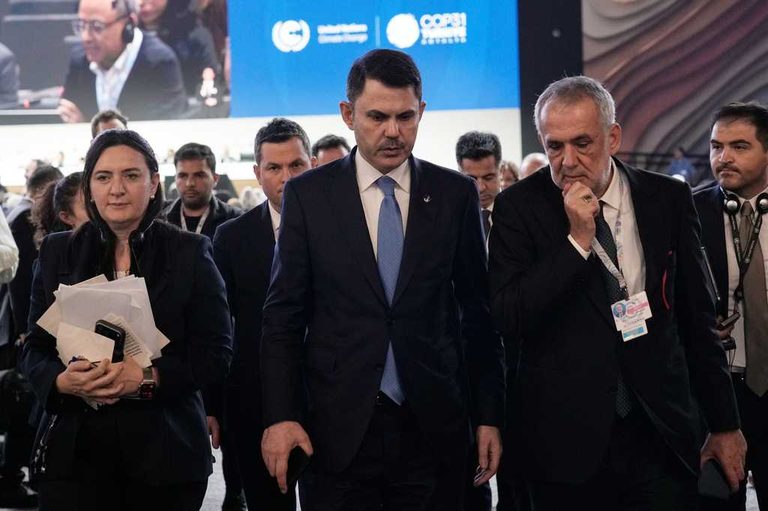
Delegates gathered in Antalya, Turkey, for the United Nations climate conference known as COP31 concluded the two‑week session without securing a cover decision that explicitly mentions fossil fuels. The failure stemmed from a split among participating nations over whether the final text should name the primary source of global warming.
Key points of the negotiations
Negotiators had already signaled low expectations before the talks began, and the dispute over fossil‑fuel language proved decisive. While some countries and the European Union insisted that any climate pact must reference the role of fossil fuels, a larger bloc of nations prioritized reaching a consensus on other issues and accepted the final document without the contested wording.
Russia and Saudi Arabia were among the states that opposed the inclusion of fossil‑fuel references, arguing that the language could hinder broader agreement. The Irish Climate Minister, Darragh O’Brien, speaking for the EU, called it “unconscionable” to adopt a climate act that omits any mention of fossil fuels.
Progress on subsidiary issues
Despite the stalemate on the cover decision, delegates reported progress on several subsidiary matters. Smaller agreements were reached on financing mechanisms, technology transfer, and adaptation measures for vulnerable communities. These incremental steps were described by the conference secretariat as “nibbles” that keep the overall process moving forward.
The requirement for a near‑unanimous consensus on any pact meant that even a single dissenting bloc could block the inclusion of specific language. The joint Turkish‑Australian proposal, which recalled the 2023 Dubai agreement that called for a transition away from fossil fuels, fell short of satisfying the demands of the dissenting nations and environmental groups.
Historical context
For the first 25 years of UN climate negotiations, outcomes typically avoided direct references to fossil fuels. It was only three years ago, at a summit in the United Arab Emirates, that an agreement explicitly called for “transitioning away from fossil fuels.” Since then, the language has remained a point of contention, with the latest talks highlighting the ongoing divide between nations that prioritize explicit acknowledgment of the problem and those that favor broader, less specific commitments.
Looking ahead
Conference officials indicated that the work will continue beyond the formal session, with hopes that future meetings can bridge the gap on this issue. The next UN climate conference is scheduled for 2027, where parties are expected to revisit the fossil‑fuel language and other outstanding items.
Reporters Borenstein (Kensington, MD), Delgado (Bangkok) and Arasu (Bengaluru, India) contributed to this coverage.
Original reporting: WLKY Louisville — read the source article.