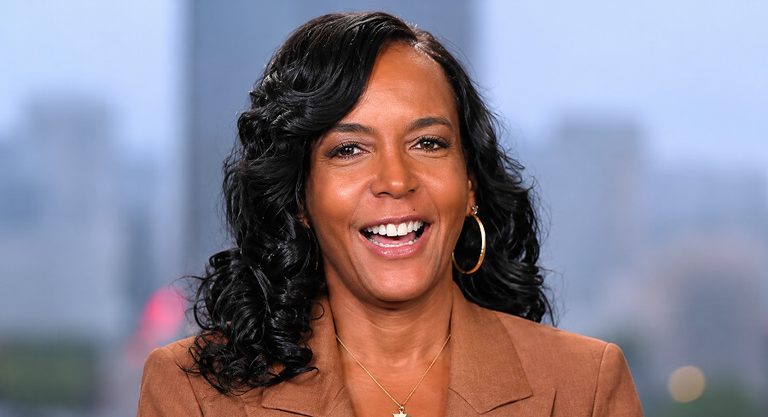
Atlanta, Ga. – Governor‑elect Keisha Lance Bottoms reiterated her commitment to overturn Georgia’s six‑week abortion ban, known as the Heartbeat Bill, during a press briefing at the state Capitol on Nov. 17. Bottoms said she will let Democratic legislative leaders set the timetable for any repeal effort, emphasizing a cautious, collaborative approach.
Senate roadblock
Republican leaders in the 56‑seat Senate made clear that the chamber’s narrow 29‑to‑27 Republican edge will likely prevent a repeal. State Sen. Drew Echols, a Gainesville Republican and incoming vice chair of the Senate majority caucus, posted on social media that the repeal is “a non‑starter for a divided government.” Senate Majority Leader Jason Anavitarte echoed that sentiment, stating, “Our values are our values,” when asked about the issue on the Politically Georgia podcast.
Legislative math
Because a bill needs 29 votes to clear the Senate, Democrats would have to keep every member of their caucus united and flip at least two Republican senators. The math is especially tight after Democrats gained four Senate seats in the November election, leaving the chamber at 29 Republicans and 27 Democrats.
Bottoms’ strategy
Bottoms first signaled a measured strategy on Nov. 6 while introducing her transition co‑chairs, noting that Democrats would push for repeal during the January session only if a realistic path emerged. She added, “If it’s not this session, then we’re going to take it at the first opportunity that we have.” When later asked about vote counts, Bottoms said she would defer to Senate Minority Leader Harold Jones II and House Speaker‑designate Carolyn Hugley for guidance.
Historical context
The law Bottoms seeks to repeal, House Bill 481 – the Living Infants Fairness and Equality Act – was signed by Gov. Brian Kemp in 2019 after the U.S. Supreme Court overturned Roe v. Wade. It bans most abortions once embryonic cardiac activity is detectable, typically around six weeks, with exceptions for medical emergencies, severe fetal conditions, and cases of rape or incest up to 20 weeks when a police report is filed.
Previous attempts to dismantle the ban have stalled. In February 2025, the Georgia Supreme Court dismissed a lower‑court order that temporarily blocked the ban, sending the case back to determine standing. Later that year, Rep. Shea Roberts introduced the Reproductive Freedom Act, which failed to advance in a GOP‑controlled House.
Democratic perspective
Roberts argues the political landscape has shifted with Bottoms entering the governor’s office and Democrats controlling the House. She said, “Georgians want broader access to health care, and that includes abortion care.” Former architect of the 2019 law, Sen. Ed Setzler, who lost his seat to Democrat Darcy Castro, defended the statute and cautioned against reading too much into the election results, noting voter frustration with Washington politics does not constitute a mandate to overturn the ban.
Looking ahead
With the General Assembly reconvening in January, the battle over the Heartbeat Bill will hinge on whether Democratic leaders can marshal enough votes and persuade at least two Republican senators to join them. The outcome will shape Georgia’s abortion policy for years to come and will be a litmus test for the new Democratic majority’s ability to influence state legislation.
Original reporting: Tampa Free Press — read the source article.