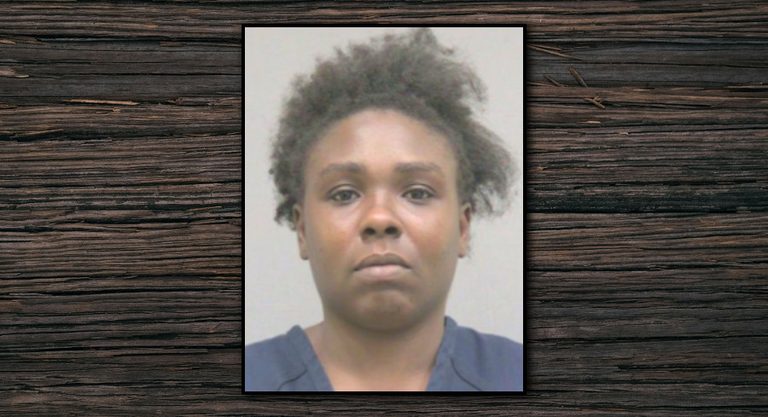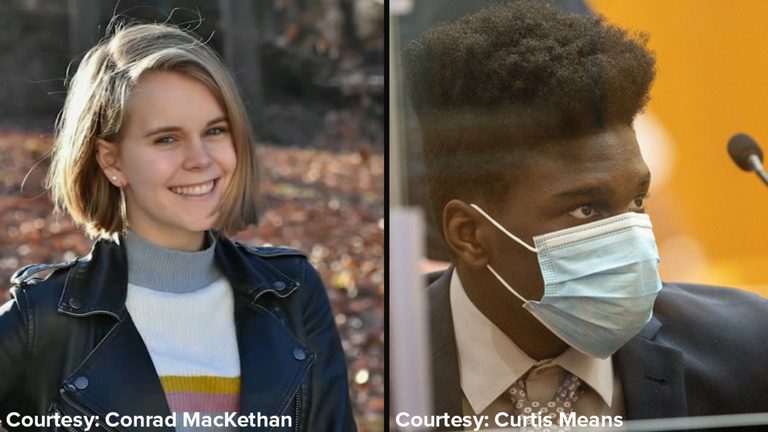
New York City – The New York State Department of Corrections and Community Supervision confirmed that Luchiano Lewis, now 21, was placed on conditional parole on Oct. 14. Lewis had been sentenced in October 2021 to nine years to life after pleading guilty to robbery and murder in the fatal attack on Barnard College freshman Tessa Majors in Manhattan’s Morningside Park.
Parole details and supervision
Lewis will serve his parole under strict supervision, with regular check‑ins and compliance requirements set by the state parole board. Records show he was released from the Franklin Correctional Facility, where he had been incarcerated since his sentencing.
Background of the 2019 tragedy
Majors, an 18‑year‑old first‑year student, was attacked on Dec. 11, 2019 while walking near a staircase in Morningside Park. Prosecutors described the incident as an attempted robbery that escalated into a violent assault. During the struggle, Majors was stabbed multiple times, managed to climb a set of stairs, and reached the street before collapsing and later dying from her injuries.
At sentencing, Manhattan Supreme Court Justice Robert Mandelbaum imposed the maximum term, stating the killing “tore at the fabric of the entire city.” While Lewis did not wield the knife, the court found he played a central role in the robbery that led to Majors’ death.
Family response and community impact
Majors’ parents addressed the court during the 2021 sentencing, describing the profound loss of their daughter, whom they remembered as a talented student, musician, and writer. The case resonated deeply across New York City, prompting renewed discussions about safety in public parks and the importance of swift, decisive justice.
Parole system and public safety considerations
The parole board’s decision reflects its mandate to balance rehabilitation opportunities with community safety. Under New York law, parolees must adhere to conditions that include curfews, electronic monitoring, and mandatory counseling, among other restrictions. Violations can result in immediate revocation and a return to incarceration.
Officials emphasized that the parole process includes thorough risk assessments and input from victims’ families, law‑enforcement agencies, and correctional staff. The board’s statement highlighted that Lewis’ release does not diminish the seriousness of the crime but acknowledges the structured oversight built into the parole system.
Looking ahead
Community leaders and advocacy groups continue to call for enhanced safety measures in city parks and stronger support for victims’ families. While the parole decision has sparked mixed reactions, the Department of Corrections maintains that its protocols are designed to protect the public while offering a path toward responsible reintegration for eligible offenders.
As the case remains a touchstone for discussions on criminal‑justice policy in New York, residents are encouraged to stay informed about local safety initiatives and to participate in community forums addressing public‑space security.
Original reporting: Brookhaven News – ABC7 New York — read the source article.