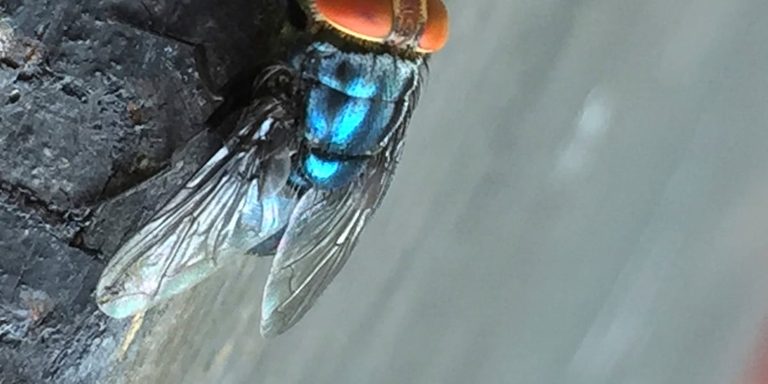
Arizona’s agricultural community is on alert after the U.S. Department of Agriculture confirmed nine cases of the New World screwworm parasite in livestock, according to AZFamily. The infestations involve a sheep and a cow in Greenlee County, bringing the state’s total to nine confirmed cases across four southern counties.
The breakdown by county is as follows: Greenlee County leads with four cases, Cochise County reports three, while Graham and Pima counties each have one confirmed infestation. All detections to date have been in animals; no fly traps have captured the pest.
State officials have responded by designating a new mandatory infested zone in Pima County. The zone creates a 20‑kilometer radius around each affected property, restricting the movement of animals unless owners obtain special approval. Existing zones now encompass areas around Tucson, Sierra Vista, Elfrida and Safford, meaning livestock owners in those regions must comply with the same restrictions.
The recent surge in cases comes less than a week after Arizona began requiring owners of pets traveling to California to provide proof that the animal is not infected with the screwworm. The new requirement aims to prevent the parasite from crossing state lines, a measure that could affect pet owners planning trips to the neighboring state.
Ranchers and livestock producers are urged to monitor their herds closely and report any signs of infestation to the Department of Agriculture. The parasite can cause severe tissue damage and, if left untreated, may be fatal to affected animals. Early detection and prompt treatment remain the most effective defenses.
What’s next: The USDA has indicated that surveillance efforts will continue throughout the region, with additional fly‑trap monitoring and testing slated for the coming weeks. Officials have not set a specific date for lifting the movement restrictions, noting that zones will remain in place until the agency determines the pest is no longer a threat. Livestock owners should stay in contact with local agricultural extension offices for updates and guidance on compliance.
Sources: azfamily.com