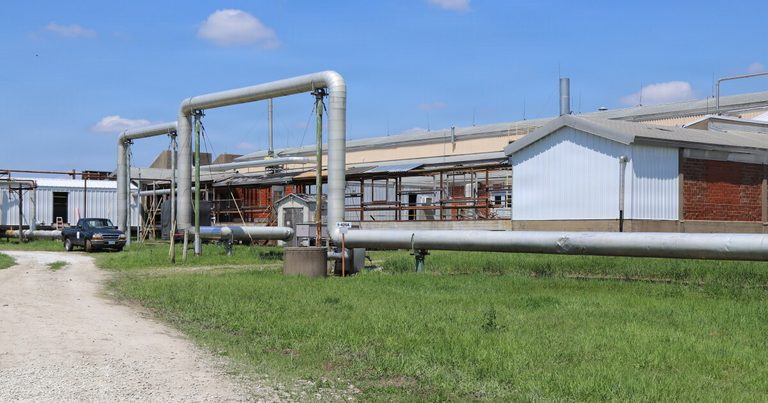
Omaha residents received a sigh of relief on Thursday when a federal appeals court granted a request from environmental groups to pause a permit allowing the U.S. Army to detonate roughly five tons of lead ammunition at the Iowa Army Ammunition Plant in Middletown, Iowa. The operation, originally slated for Friday and later moved to Monday, was stayed after a judge intervened, according to 3NewsNow.
Health experts stress that lead exposure can cause long‑term problems, especially for pregnant women, children, and adults with cardiovascular issues. Naudia McCracken, supervisor of the Lead Poisoning Prevention Program at the Douglas County Health Center, highlighted the danger, noting that most of Omaha sits on a lead Superfund site left over from smelting and refining operations that closed three decades ago.
“The effects of lead on the body, on living things, can be quite detrimental over long‑term periods,” McCracken said, adding that residents should follow any Army, EPA, or health advisories, get free testing, and take precautions such as removing shoes at the door.
Environmental advocates argue the Army’s approach is risky. Wally Taylor, legal chair of the Sierra Club Iowa Chapter, warned that “those toxins can end up in our water.” The Iowa Environmental Council, citing its 2026 report that ranks Iowa second nationally for cancer diagnoses, called on state leaders—including Governor Kim Reynolds—to assume control of communications about the detonation.
Governor Reynolds responded that she was “grateful” for the delay, confirming she had activated the State Emergency Operations Center to coordinate state agencies with federal officials from the Environmental Protection Agency and the Army. Governor‑elect Rob Sand also questioned the safety of the plan on social media, asking why other options were not considered.
Army officials, including Acting Secretary of the Army Adam Telle, said the delay would push the detonation to “the latest possible moment prior to a forecast temperature drop, which would risk further destabilization of the material.” They contend that degraded lead azide barrels discovered in March have become unstable, raising the risk of an uncontrolled explosion as temperatures fall.
Environmental groups maintain that alternatives were not fully explored and criticize the lack of public information. The Army had presented its plans at a public meeting in Middletown in October, but a public advisory on Sunday was the first time many communities—some up to 100 miles away—learned of the potential plume.
What’s next: State and federal agencies will continue monitoring the situation. Residents within the potential impact zone are urged to stay alert for official warnings, consider free lead testing, and follow recommended cleaning practices. The court’s stay remains in effect while the Army reviews safer disposal options.
Sources: 3newsnow.com