Jackson residents are confronting a growing affordability challenge as a joint report released on Nov. 19 reveals that one in eight households in Teton County has experienced food insecurity over the last 12 months. The findings, compiled by local nonprofits One22 Resource Center and Hole Food Rescue (HFR) with the Wyoming Survey and Analysis Center, highlight the urgency for community assistance ahead of the holiday season.
The study, based on a spring community survey and six focus groups involving 44 participants, found that 6.2% of the county population experiences low food security and 5.6% experiences very low food security. Additionally, 25.4% of residents said they had to cut back on other expenses or pay bills late in order to afford groceries, 16.2% could not afford balanced meals, and 13.0% ran out of food with no money to buy more.
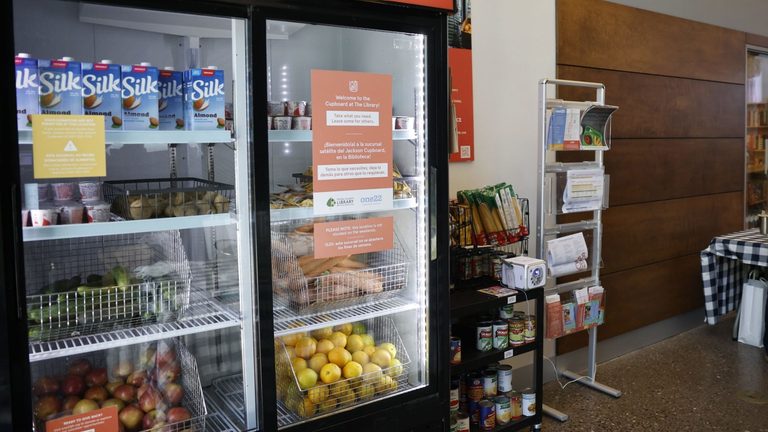
According to the report, 81% of households facing food insecurity were employed, while the remaining respondents included retirees, individuals with disabilities, caregivers, stay‑at‑home parents, students, and unemployed residents. Of those experiencing food hardship, 41% rely on no‑cost grocery programs such as HFR’s offerings or One22’s Jackson Cupboard. Yet 51% of food‑insecure households do not use any assistance, and 28% of survey participants indicated that other people need food assistance more than they do.
“We have always known that food insecurity exists here, but we were surprised to learn just how many people struggle to put food on the table,” said Carey Stanley, Operations Director for One22, in a statement to Buckrail. “A lot of people in our community are making really difficult decisions about how to feed their families and afford their lives here. It’s pretty staggering to see the real numbers and experiences all together.”
HFR Program Director Iván Jiménez added that the high cost of living in Jackson—driven by housing, health care, child care and other expenses—drains budgets and compounds the problem. He noted that barriers such as limited program hours, transportation challenges, and stigma also hinder access to assistance.
The report was produced by the JH Food Collaborators, an alliance of 14 local organizations formed during the COVID‑19 pandemic to fill gaps in food access and reduce service overlap. The coalition described the study as one of the most comprehensive assessments of food insecurity in Teton County.
What’s next: The organizations behind the report encourage residents to review the findings, consider volunteering with local food programs, and support efforts to expand assistance hours and transportation options. The full community report is available online for anyone interested in learning more about the issue and how to help.
Sources: buckrail.com