Last October, a friend texted me a photo of herself standing in front of a wall of amber and burgundy maples, and I assumed she’d driven up to some trailhead in the mountains. She hadn’t. She was at Ashton Gardens in Lehi — technically not Provo, but close enough that half the city treats it as a backyard destination — on a Tuesday afternoon when the crowds were thin and the light was going golden around four o’clock.
I finally went myself in late September, right at the edge of the season when the gardens are still full but you can feel summer starting to let go. The place is enormous: 55 acres of formal and semi-wild planting, with a waterfall that feeds into a long reflecting pool, rose beds that were still producing in early fall, and long gravel paths that wind through sections themed loosely by geography and plant family. The map they hand you at the entrance makes the layout look manageable, but you will get pleasantly lost at least once.
The Waterfall Garden is the obvious showpiece — a three-tiered cascade that most people photograph from the same angle — but the parts that stuck with me were quieter. There’s a sunken garden near the center with iron trellises and boxwood hedging that feels almost European, and a meadow section along the eastern edge where the plantings are looser and you can sit on a bench and not see another person for ten minutes if you go midweek.
Admission runs about $20 for adults, a little less for seniors and kids. That’s not cheap for a garden walk, and I’ll admit I hesitated. But the grounds are immaculately maintained, the seasonal plantings are genuinely impressive rather than perfunctory, and you can easily spend three hours here without running out of things to look at. In tulip season — mid-April through early May — the place is legitimately spectacular, though the parking lot will remind you that everyone else figured that out too.
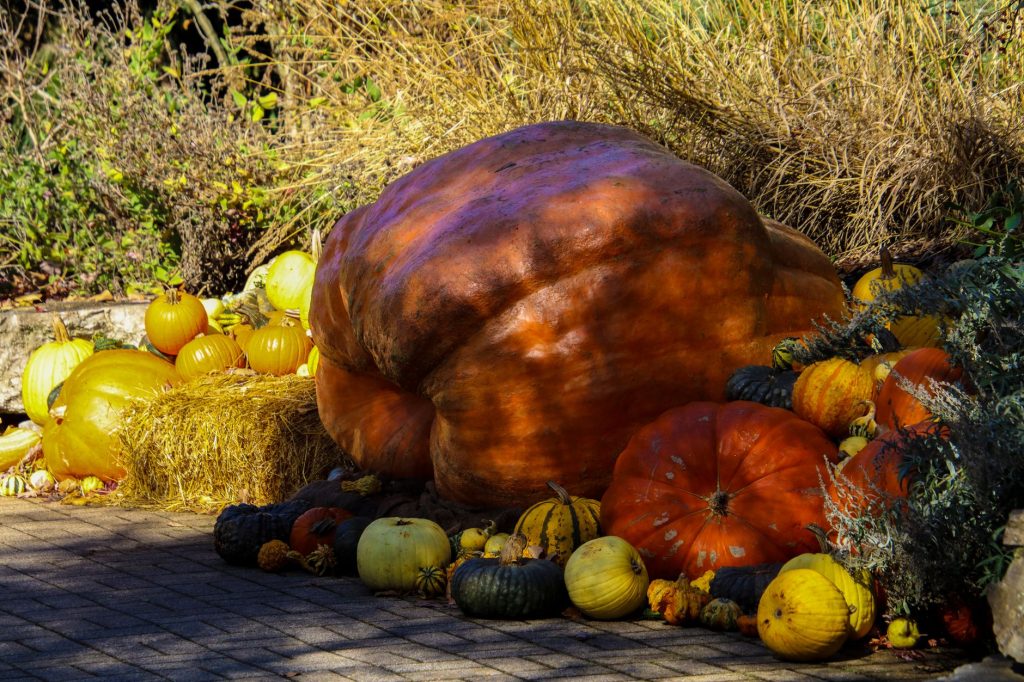
Fall is my preference. The annual Tulip Festival draws the biggest crowds, but October weekend mornings, when the Japanese maples are turning and the temperature is somewhere in the mid-50s, feel like the garden at its least performative. Bring a jacket. The paths are well-maintained gravel and paved in some sections, so it’s comfortable for strollers and older visitors who want to take it slow.
Ashton Gardens sits adjacent to the broader Thanksgiving Point campus, which includes the Museum of Natural Curiosity, the Dinosaur Museum, a farm, and a golf course. You can buy combination tickets if you want to make a full day of it, but the garden alone justifies the trip. The entry price includes parking, which removes at least one point of friction.
If you go on a weekday and time it for the last two hours before closing, you’ll have the paths mostly to yourself. That’s when the place earns it — afternoon light across the reflecting pool, the smell of cut grass and something floral you can’t quite name, the sound of the waterfall carrying further than it should in the quiet. My friend was right to text me that photo. I just should have gone sooner.