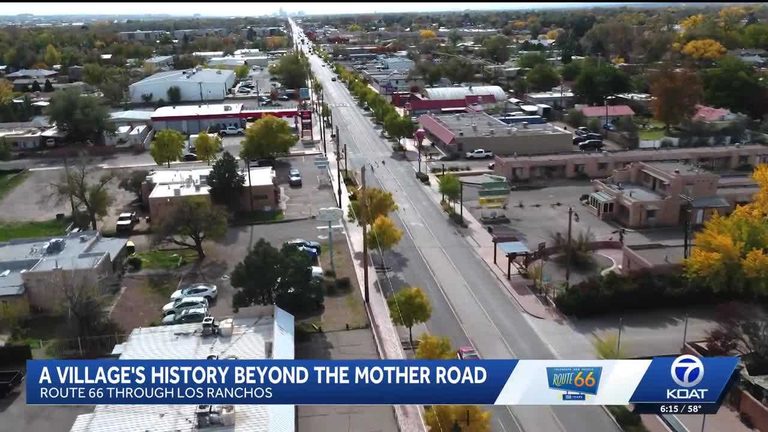
Los Ranchos de Albuquerque, a small village in Bernalillo County, New Mexico, boasts a heritage that stretches back more than a thousand years. While its roots lie in the ancient pueblos that once dotted the Rio Grande, the arrival of Route 66 in 1926 marked a turning point that reshaped the community’s culture, economy and identity.
Early history and the birth of Los Ranchos
Before Spanish colonists arrived, the area was home to as many as 19 pueblos along the river. In the 1700s, Spanish settlers founded San José de Los Ranchos around an adobe plaza and a modest church, establishing the settlement that would later become the first county seat of Bernalillo County.
In 1904 a catastrophic Rio Grande flood destroyed much of the original town, but the agricultural spirit of the Pueblo people endured. Their early irrigation ditches laid the groundwork for the village’s farming tradition, which persisted even as the community rebuilt.
Route 66 arrives
When the federal government designated the new trans‑continental highway as U.S. Route 66, it cut directly through Los Ranchos along what is now Fourth Street. Gordene Mackenzie, president of the Los Ranchos Historical Society, recalls the excitement of that era: “There was this whole myth of traveling Route 66. General stores lined the road, fruit stands offered fresh produce, and restaurants and motor lodges welcomed travelers eager to explore the Mother Road.”
The highway brought a steady stream of motorists, creating new business opportunities for local entrepreneurs. Fruit vendors, diners, and lodging houses sprang up, providing both income for residents and a welcoming stop for travelers heading west.
A hub for art and ideas
Beyond commerce, Route 66 served as a conduit for cultural exchange. Mackenzie notes, “We’ve had a lot of Bohemian artists who have come through Los Ranchos. There was this kind of hub of political activism and artists collecting together.” The road attracted painters, musicians and writers who found inspiration in the desert landscape and the village’s historic charm. Their presence helped seed a modest but lasting arts community that still contributes to Los Ranchos’ identity.
Legacy after the reroute
In 1937 the highway was rerouted, diverting much of the traffic away from Fourth Street. Yet the imprint of Route 66 remains evident. Historic storefronts, old signage and the layout of the original Santa Fe Loop still mark the village’s streets. Residents and historians alike work to preserve not only the buildings but also the natural sites and stories tied to the Mother Road.
“One thing I think about as a historian is that you can also preserve nature, not just buildings,” Mackenzie says. “How do we preserve and how do we find all the historic sites?”
Why the story matters today
Understanding the impact of Route 66 on Los Ranchos underscores how national infrastructure projects can transform small communities, fostering economic growth, cultural vibrancy and a sense of shared heritage. For families and faith‑centered residents who value tradition, the village’s history offers a reminder that progress and preservation can walk hand‑in‑hand.
As Los Ranchos approaches the centennial of its Route 66 era, local leaders and volunteers continue to celebrate the road’s legacy through historic tours, educational programs and community events that honor the village’s past while looking toward a hopeful future.
Original reporting: KOAT Albuquerque — read the source article.