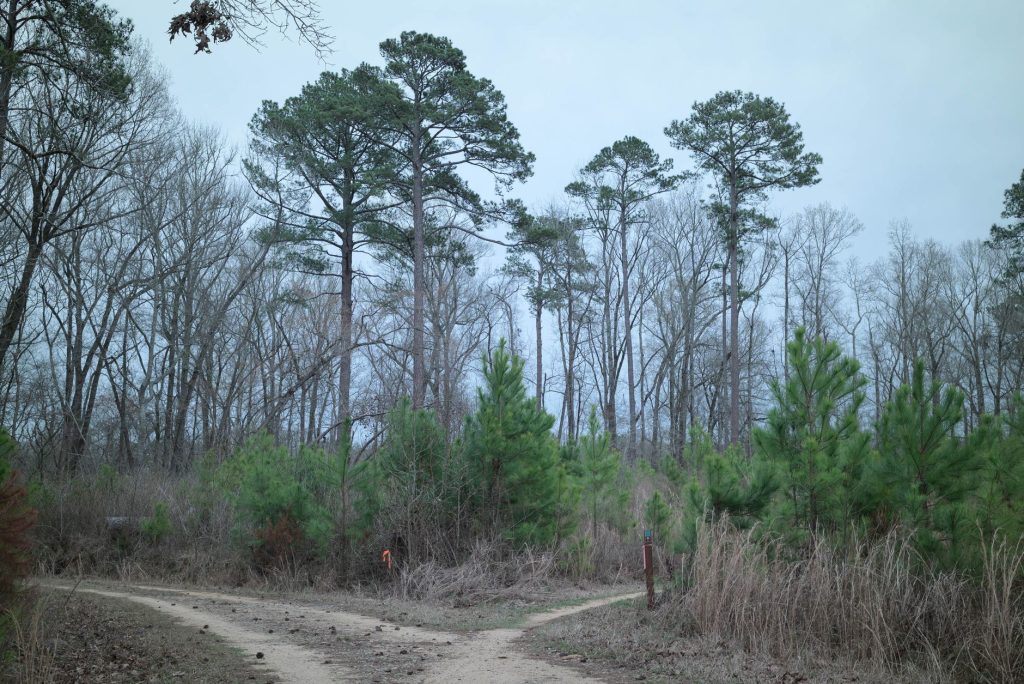
On a rainy Tuesday in October, the unpaved stretch of Mansfield Road off U.S. 17 south of Georgetown was nearly empty. A single pickup sat at the shoulder, windows fogged. Somewhere ahead, a great blue heron stood motionless in a drainage ditch like it was waiting for a bus. That was the whole scene, and it was enough to make you stay longer than planned.
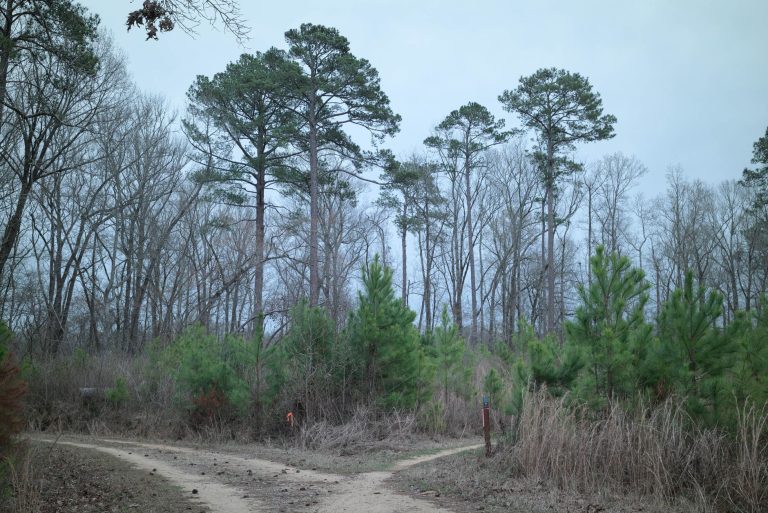
The Mansfield Road corridor runs through lowcountry flatwoods and former rice plantation land along the western edge of Winyah Bay, connecting stretches of Georgetown County’s broader heritage trail system. The road itself is passable by foot, bike, and most passenger cars, though the county maintains it modestly — expect soft gravel, puddles after rain, and the occasional downed limb that nobody has gotten around to clearing yet. That is not a complaint. The relative roughness is exactly what keeps it from turning into something else.
What draws people here, particularly birders and paddlers, is the transitional habitat. Within a half-mile walk, the landscape shifts from longleaf pine understory to brackish marsh grass to the edge of bottomland hardwoods. During fall migration, the shrubby border zones stack up with warblers. Painted buntings use the area into early November. In winter, common snipe flush from the wet ditches along the roadside at close range, which startles everyone the first time. Bring binoculars regardless of what season brings you.
There is no formal trailhead in the park-with-a-sign sense. You pull over, you walk. The county maintains a boat landing near the water’s end of the road, and that parking area gives you a natural staging point. From there you can walk back up the road corridor or simply sit near the landing and watch the bay. On clear days you can see across to the South Island side. On overcast days the water goes pewter and flat and the marsh grass goes gold and it looks like something from a painting that hangs in a dentist’s office, which is not an insult — it means it’s genuinely pretty.
Kayakers use the boat ramp to access the bay and the lower Black River mouth. If you’re launching, give yourself a full half-day minimum; the bay is wide and the tidal current matters. Local outfitters in Georgetown proper rent boats and can tell you what the tide is doing on a given morning. Don’t launch on an outgoing tide if you’re not confident paddling against one coming back.
Cost is nothing for walking or biking. The boat ramp requires a Georgetown County public landing fee, which is a few dollars for non-residents — the sign at the ramp will tell you the current amount. No ranger, no kiosk, no fee station most days; it runs on the honor system and seems to work fine.
The best time to visit is early morning any day of the week, but rainy weekday mornings specifically give you the place to yourself in a way that weekend afternoons do not. The wildlife density in light rain is noticeably higher — birds feed actively, deer move through the edges, and the marsh itself seems to exhale. Wear rubber boots or shoes you don’t mind getting wet. Pack more water than you think you need, because there are no facilities of any kind along the road.
It won’t be for everyone. There’s nothing to buy, no interpretive signage, no programmed activity. But if you want to understand what most of this county looked like before the marinas and the golf resorts, Mansfield Road on a gray Tuesday afternoon will show you.