As the first frosts arrive across North Texas, Denton County Master Gardener Jill O’Connell reminds local gardeners that a simple winter mulch can make a big difference for plants and soil. By covering beds with a modest layer of organic material now, homeowners can protect roots from temperature swings, conserve moisture during dry spells, and set the stage for a thriving garden when the growing season returns.
Why mulch matters in our climate
North Texas weather can shift rapidly—from warm, sunny days to sudden freezes. Our region’s heavy clay soils also tend to harden in cold weather, making it difficult for roots to access water and nutrients. Mulch acts as a blanket, moderating soil temperature, reducing evaporation, and preventing erosion during heavy rains. Over time, organic mulches break down, adding valuable organic matter that improves soil structure and fertility.
Best organic mulches for North Texas gardens
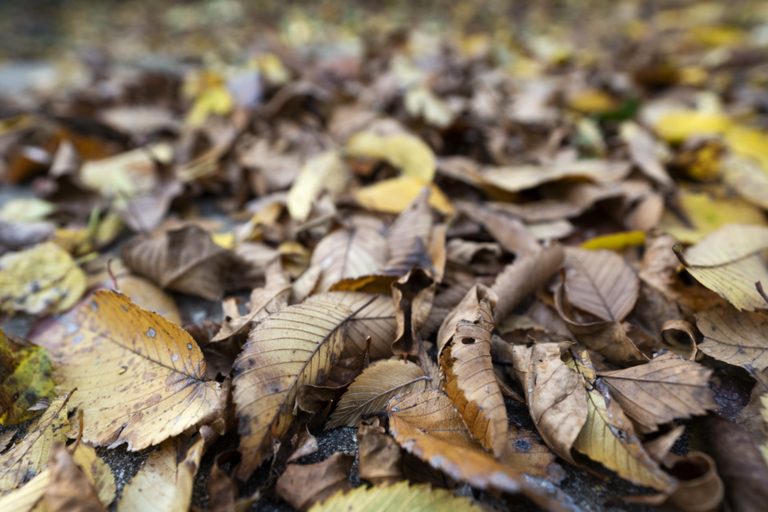
Shredded leaves are an inexpensive, readily available option. Instead of bagging fallen leaves, run a mulching mower over them and spread the shredded material in beds. The finer texture reduces matting and decomposes gradually, enriching the soil. Leftover leaves can also be added to a compost pile for later use.
Wood chips, shredded hardwood, or bark work well around shrubs, trees, and landscape beds. They conserve moisture, suppress weeds, and give a tidy appearance. Clean chips from local tree‑trimming services are often free or low‑cost. Keep the mulch a few inches away from trunks and stems to avoid moisture‑related problems.
Compost is especially beneficial in vegetable and flower gardens, providing both organic matter and nutrients as it breaks down. A thin layer mixed into the planting zone can improve soil health without smothering seedlings.
Pine needles can be used in appropriate settings, such as acid‑loving plants, offering a lightweight, breathable mulch that also adds a subtle scent.
While inorganic options like gravel have their place for decorative pathways, they do not contribute to soil building and therefore are less suitable for garden beds where long‑term fertility is a goal.
How much mulch to apply
For most North Texas beds, a 3‑to‑4‑inch layer provides adequate coverage. Before adding new mulch, check existing depth to avoid over‑application. When mulching around trees, keep the root flare visible and refrain from piling material against the trunk, which can trap moisture and cause rot.
Practical tips for the season
- Collect leaves as they fall and shred them with a mulching mower.
- Source clean wood chips from local tree‑service companies or municipal recycling programs.
- Mix a thin layer of compost into vegetable beds before the first frost.
- Avoid placing mulch directly against plant stems or tree trunks.
- Store any excess mulch in a dry area for spring use.
By taking a few minutes now to spread mulch, North Texas gardeners can safeguard their landscapes through winter, reduce weed pressure, and enrich the soil for a robust spring planting season. Happy gardening!
Original reporting: Cross Timbers Gazette — read the source article.