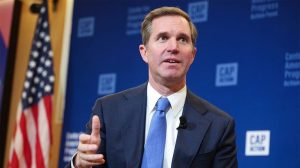
At the Worcester Regional Research Bureau’s 41st annual meeting on November 18, Bhaskar Chakravorti, dean of global business at the Fletcher School at Tufts University, presented projections that up to 19,000 jobs and $1.55 billion in annual wages in the Worcester metropolitan area could be at risk from artificial intelligence, according to Hoodline.
Chakravorti, who helped develop the American AI Jobs Risk Index, said Worcester’s projected AI‑related job displacement rate stands at 5.6%, lower than Boston’s 7.8% and the national average of 6.15%. The city ranks 106th among U.S. metropolitan areas for projected displacement risk, the report noted.
The study also estimates that, nationwide, roughly 9 million jobs could be displaced over the next two to five years, representing $757 billion in annual wages. Massachusetts as a whole is identified as the most vulnerable state, a distinction attributed to its concentration of occupations in data analysis, writing, and technology work.
Chakravorti warned that the figures are projections, not confirmed layoffs, and that actual outcomes will depend on how quickly businesses adopt AI, how they use it, and whether new job categories emerge. He highlighted that AI is already influencing hiring decisions, with some professional‑services firms reducing entry‑level hires while paying more for workers skilled in AI tools.
Despite the cautionary tone, the national labor market shows a mixed picture. The Labor Department reported that professional and business services added 70,000 jobs in October, the biggest gain in several years for that sector, according to The Washington Post, which Chakravorti cited during his remarks.
Chakravorti also cautioned that past automation retraining programs have had mixed results, and he urged Massachusetts to lead in developing clear re‑education pathways for displaced workers. He emphasized that many future roles have not yet been defined, making proactive planning essential.
As an international illustration, the BBC reported that Worcestershire County Council in England is consulting on cutting 22 full‑time‑equivalent social‑care positions while planning to use an AI transcription tool to free up 20%‑30% of a social worker’s time. The council clarified that the AI tool is intended to support, not replace, staff.
What’s next: State and local leaders are expected to review the AI risk findings and consider recommendations for workforce development and education programs as the region prepares for potential AI‑driven changes in the labor market.
Sources: hoodline.com, hoodline.com, hoodline.com