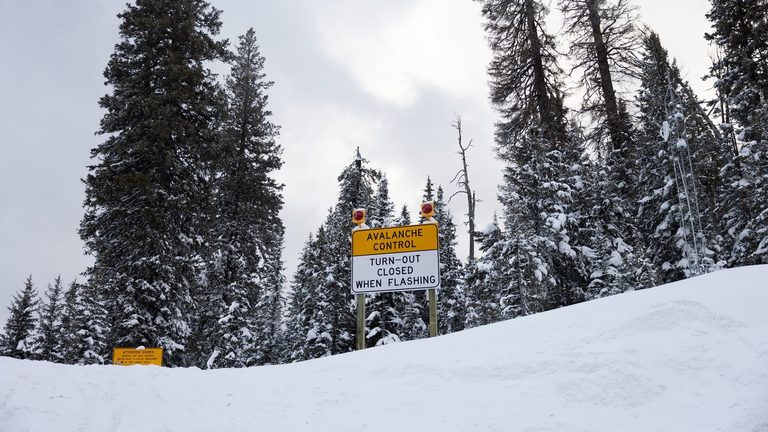
Visit Jackson Hole and the Jackson Hole Travel and Tourism Board have released an 11‑minute documentary titled “A Dance with Nature,” which spotlights the Wyoming Department of Transportation (WYDOT) snowplow drivers and avalanche mitigation crews who maintain safe winter travel on Teton Pass. The short film, reported by Buckrail.com, follows the crews as they explain how they reduce avalanche danger on the 12 named slide paths that cross WY‑22.
The video places the current safety work in a historical context, beginning with the Shoshone‑Bannock and Eastern Shoshone peoples who traversed the area around 8,000 BCE. It notes that in the 1880s settlers began using horse‑drawn wagons on the treacherous route, and that “mail carriers and freighters sometimes lost their lives due to avalanches,” according to former Bridger‑Teton National Forest employee Linda Merigliano, who worked for the agency from 1980 to 2025. Merigliano recounts a local legend that horses sometimes sensed an impending slide and stopped, sparing riders.
Historical anecdotes include a 1940 incident when local citizens “borrowed” Wyoming Highway Department plowing equipment to clear the road themselves, and an attempt to build a bridge over the Glory Bowl slide path that was destroyed by a large avalanche, prompting the creation of an avalanche forecasting and mitigation program.
Current WYDOT staff describe the day‑to‑day operations. Tom Izzo, a WYDOT supervisor with 27 years of experience plowing the Pass, says drivers refer to a severe storm as a “good storm,” their version of a fresh powder day. When the Pass is closed overnight for mitigation, crews use three primary explosive methods: remote‑controlled Gazex systems, hand‑thrown charges, and a World War II‑era M101 howitzer that can fire at slide paths not visible from the road. The crews also ski to the “Beavers” slide paths on the west side, where they hand‑place charges over the ridgeline.
Don Lawless, WYDOT Avalanche Supervisor, explains that if enough snow accumulates to close the Pass, the crew will always “put snow on the road from the Beavers” to protect the main travel corridor.
Visit Jackson Hole highlighted the collaborative effort on social media, noting that “through the collaborative efforts of federal and state agencies, community leaders, and engaged residents, Teton Pass becomes safer.”
What’s next: The short film will be featured on the Visit Jackson Hole website and shared across social platforms throughout the winter season, aiming to raise public awareness of the ongoing avalanche mitigation work that keeps Teton Pass open for residents and tourists alike.
Sources: buckrail.com