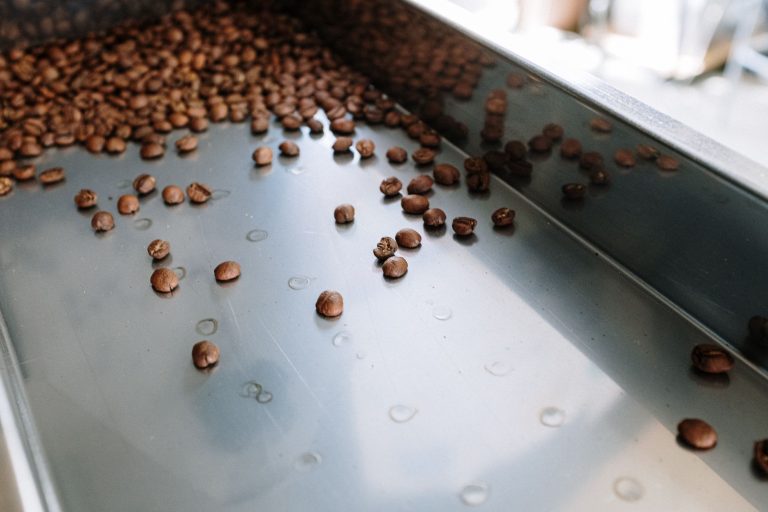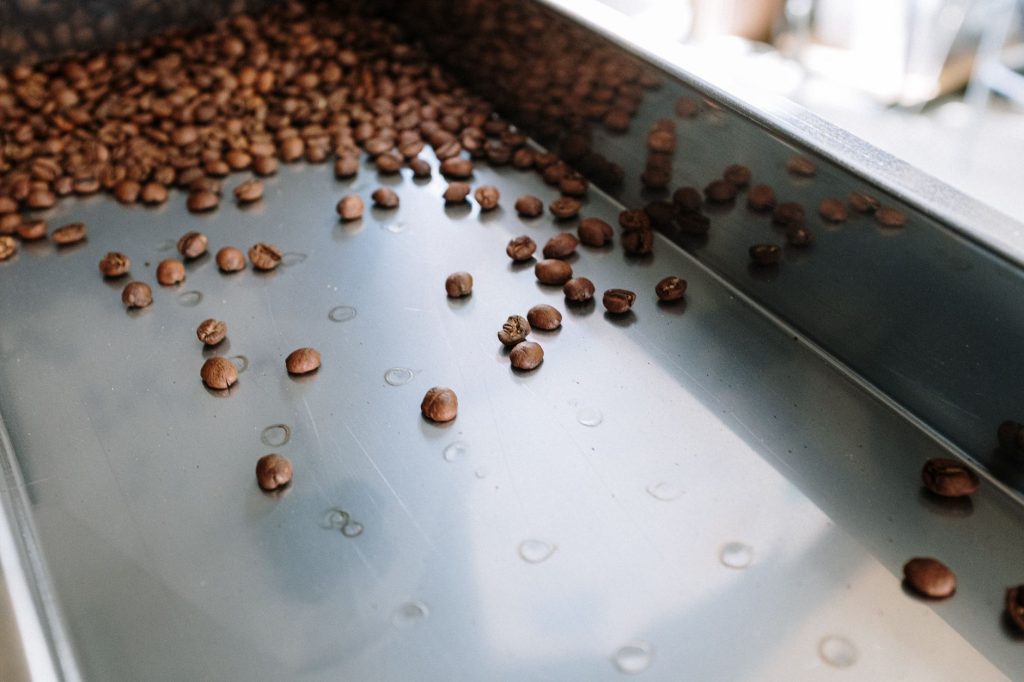
What does a specialty coffee roaster look like when it’s also a neighborhood anchor? That’s not a rhetorical question — it’s exactly what first-timers tend to wonder when they walk into Mos Mos Coffee on Westcott Street and find something that doesn’t quite fit the usual categories. It’s not a drive-through, not a third-wave showroom, and definitely not a chain outpost dressed up in indie clothing. It’s a working roastery with a café attached, which means on most mornings the air inside carries something between toasted grain and dark chocolate before you’ve even reached the counter.
The shop sits in the Westcott neighborhood, about a mile east of campus, in a stretch of Westcott Street that’s walkable in a lived-in way — laundromat next door, a few apartment buildings, the kind of block where people actually live year-round rather than just pass through. Mos Mos has been roasting its own beans in-house since it opened, sourcing from Ethiopia, Colombia, and a rotating selection of single-origin lots depending on the season. The sourcing isn’t performative. The staff will tell you where a coffee comes from if you ask, but they’re not going to lecture you about it unprompted.
The espresso program is serious without being precious. A well-pulled shot runs around three dollars, a latte four to five. If you’re trying to understand what the roasters are actually working with on a given week, ask for a pour-over — it’ll take a few minutes longer and it’s worth it. The light roasts especially reward the extra time; a recent Ethiopian lot had a clean brightness that held up even as the cup cooled, which is a decent indicator that someone in the back knows what they’re doing.
The space itself is modest and direct. A handful of tables, a long counter, exposed brick along one wall. No televisions. The music tends toward low-key jazz or something instrumental — background rather than atmosphere. During the week it fills with a mix of students, remote workers with laptops, and older regulars who’ve been coming since before specialty coffee became a local conversation. On weekend mornings there’s usually a short wait for a seat, but the line at the counter moves quickly.
Mos Mos does a small selection of pastries — nothing elaborate, mostly croissants and baked goods sourced from local bakeries. If you’re hungry, eat before you come or grab something down the street. The coffee is the draw, and they know it.
Bags of their roasted beans are available for purchase at the counter, priced between fourteen and eighteen dollars for a twelve-ounce bag depending on the origin. It’s a reasonable way to bring a bit of the place home, and the turnover is fast enough that you’re not getting something that’s been sitting on a shelf for two months. For Syracuse, that matters more than it probably should — fresh local roasts are rarer than you’d expect in a city this size.
If you’re passing through Westcott for any other reason — the cinema, the food co-op, whatever — Mos Mos is a natural stop. If you’re making a dedicated trip, it’ll hold up to that too. Either way, give yourself fifteen minutes more than you think you need. That’s usually how it goes.