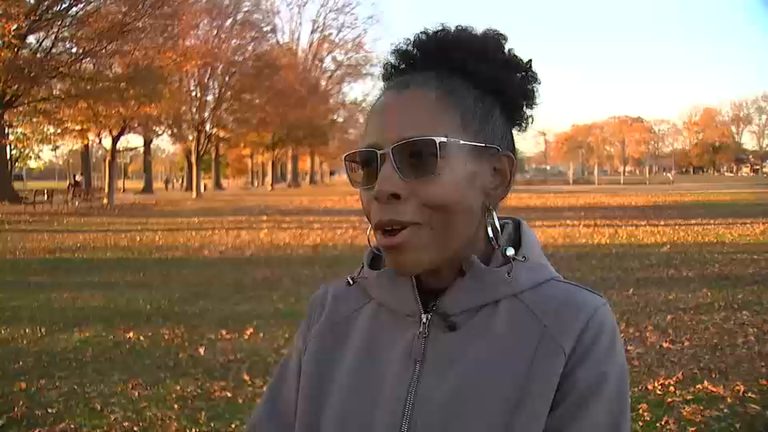
Brooklyn, NY – In a park on a crisp November afternoon, local resident Gail Washington, 71, sat down with WABC reporter Bill Ritter to discuss the daily practices she follows to protect her mind as she lives with Alzheimer’s disease.
Exercise and social connection
Washington says she makes a point to stay active and to combine physical activity with conversation. “When I go swimming now, I swim laps with somebody I met at the gym, and we talk while we swim,” she explained. The routine not only keeps her body moving but also provides valuable social interaction, which research shows can help slow cognitive decline.
Mental workouts
Beyond the gym, Washington keeps her mind sharp with puzzles and other mental challenges. She completes the daily Times crossword and uses a Netflix puzzle series she finds “really fun.” She also enjoys reading and listening to music, activities she believes stimulate the brain.
Medical perspective
Dr. Margaret C. Sewell, Ph.D., of Mount Sinai Hospital, highlighted the importance of a three‑pronged approach—physical activity, mental engagement, and proper nutrition. “During the COVID‑19 pandemic, we saw that people with dementia who were isolated experienced rapid cognitive decline,” Dr. Sewell said. “Social interaction, exercise, and a healthy diet are key factors in maintaining brain health.”
Lifestyle changes after diagnosis
Washington admits that adopting new habits was challenging at first. “When you’re diagnosed, you have to change your eating habits, you have to exercise, and you have to be more social. That was not my thing…be more social,” she said. Joining an Alzheimer’s Association support group gave her a sense of community. “Everyone was just like me. We all had the disease. We were all sad. We all could cry right there. They had boxes of tissues, you know, ready for you,” she recalled.
Preventive steps for all ages
Dr. Sewell emphasized that many of these habits can be started early. “Managing blood pressure, controlling diabetes, staying physically active, quitting smoking, and addressing hearing loss are five of the most important actions people can take to protect their brains,” she noted.
Washington agrees, adding that she now attacks any health concern promptly. “If you’re in my age range, I’m in my 70s. For 10 or so years prior, if I think something is wrong, I attack that something,” she said.
Community resources
Local organizations such as the Alzheimer’s Association continue to offer support groups and educational resources for residents of Brooklyn and the greater New York City area. Washington encourages anyone facing similar challenges to seek out these networks for both emotional support and practical advice.
By integrating regular exercise, mental stimulation, social engagement, and healthy lifestyle choices, Washington hopes to slow the progression of Alzheimer’s disease and inspire others to take proactive steps for brain health.
Original reporting: Brookhaven News – ABC7 New York — read the source article.