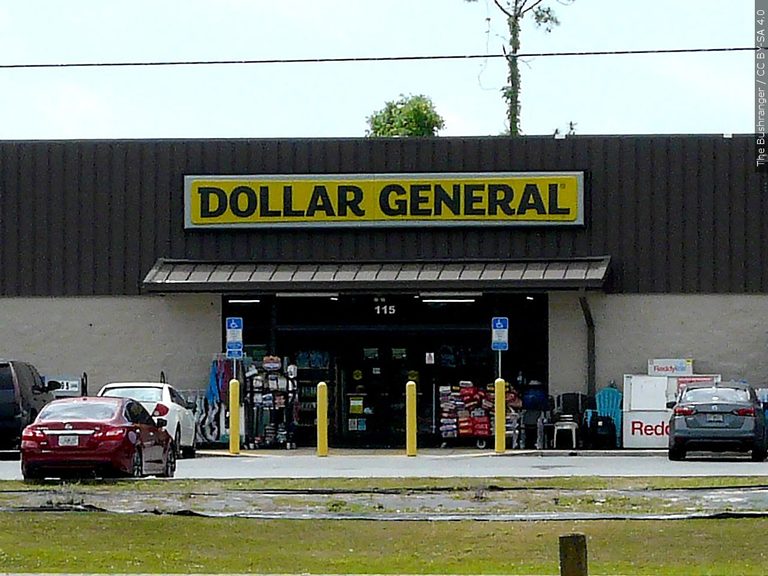
Oregon Attorney General Dan Rayfield announced today that the state has joined the Federal Trade Commission, 28 other states and Los Angeles County in a lawsuit against discount retailer Dollar General. The complaint alleges the chain routinely charges customers a higher amount at the register than the price displayed on store shelves, promotional flyers or the company’s website.
Allegations and evidence
The filing says auditors uncovered widespread shelf‑pricing errors across merchandise nationwide. Regulators claim the retailer has received “tens of thousands” of complaints from shoppers who say the total at checkout did not match the advertised price. The complaint seeks a court order requiring Dollar General to correct its shelf pricing, pay civil penalties and provide refunds to consumers who were overcharged.
Impact on rural Oregon families
Rayfield emphasized the financial strain on rural Oregonians who rely on discount stores for essential groceries. “If the shelf says $3, you shouldn’t pay $4 at the register,” he said. “Families are stretching every dollar, and for many Oregonians, Dollar General may be the only place nearby to buy groceries. They can’t afford to be overcharged, and they shouldn’t have to check every receipt to make sure they weren’t.”
Dollar General operates 89 locations in Oregon, most of them in small communities such as John Day, Nyssa, Irrigon, La Pine, Madras, Sisters, Crescent, Culver and Christmas Valley. In many of these towns, the chain is one of the few options for affordable food and household supplies.
Previous settlements and continued concerns
The retailer has previously entered settlements resolving similar overcharging claims in eight states. Despite those earlier enforcement actions, the current complaint alleges Dollar General failed to fix the pricing discrepancies and continued to overcharge shoppers at checkout counters.
Multi‑state coalition
The lawsuit is filed jointly with the FTC and a coalition of 28 states and Los Angeles County, including Alabama, Arizona, Arkansas, Connecticut, Delaware, Florida, Georgia, Illinois, Iowa, Kansas, Kentucky, Louisiana, Maine, Michigan, Minnesota, Mississippi, Nebraska, New Jersey, New Mexico, North Carolina, Ohio, Oklahoma, Rhode Island, South Carolina, South Dakota, Tennessee, Utah and Wisconsin.
What comes next
The complaint asks the court to order Dollar General to implement accurate shelf‑pricing practices, reimburse affected customers and pay civil penalties. The case adds to a growing wave of state‑level consumer‑protection actions aimed at ensuring retailers honor advertised prices, especially in communities where affordable options are limited.
Consumers who believe they have been overcharged are encouraged to retain receipts and follow updates from the Oregon Attorney General’s office for information on how to submit refund claims if the court grants the requested relief.
Original reporting: KTVZ (Central Oregon) — read the source article.