The federal government is moving forward with a $4 billion transmission line that will double the flow of electricity between the eastern and western grids in Wyoming. The U.S. Department of Energy disclosed Tuesday that Grid United, based in Houston, will receive a $2.8 billion conditional loan from the Energy Dominance Financing program to build the high‑voltage intertie.
Project details and local impact
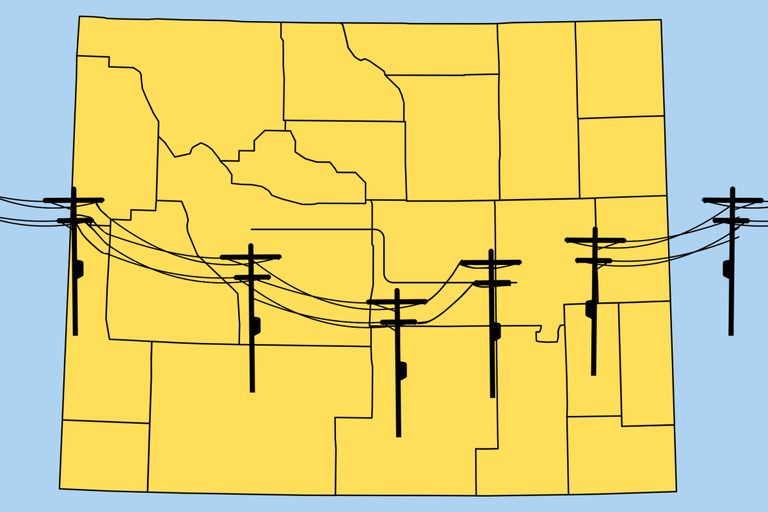
The line will run from the Laramie River Station coal‑fired plant outside Wheatland, about 106 miles west, to the Aeolus substation near Medicine Bow. Because the route traverses roughly 90 % private property, the project is expected to avoid the kind of land‑acquisition disputes that often delay infrastructure work. “There will not be protests in the street over condemning land to get this line up,” said Gregory Beard, Director of the Office of Energy Dominance Financing.
Wyoming Energy Authority Director of Energy Market Development John Jenks explained that the intertie gives system operators the flexibility to move power in either direction. “We can send electricity east if we have excess electricity, or we can take it from the east,” he said, noting that the connection expands market opportunities for Wyoming producers.
Economic and consumer benefits
According to the Department of Energy, the three‑year construction project, slated to begin in 2030, could save ratepayers in Wyoming and 17 surrounding states a combined $39 billion in avoided costs over the next 30 years. Beard credited President Donald Trump’s “energy dominance” initiatives, including the Strengthening the Reliability and Security of the U.S. Electric Grid executive order, for creating the environment that made this investment possible.
While Jenks cautioned that the intertie may not immediately lower monthly bills for Wyoming customers, he emphasized that the added flexibility should help mitigate price spikes during periods of imbalance. “It can dispatch generation resources more efficiently, which should — in theory — lower electricity bills,” he said.
Federal support and local cooperation
The project reflects the Trump administration’s broader strategy to strengthen the nation’s energy infrastructure while keeping costs low for families. By leveraging federal financing, the administration aims to reduce reliance on costly new generation capacity and instead focus on moving existing power more efficiently.
Grid United is still working with tribal nations and individual landowners to finalize the route. The company’s website notes that construction will commence only after the intertie secures all necessary land rights and regulatory approvals from county, state, and federal agencies.
Critics and considerations
Some observers note that the projected savings are based on long‑term modeling and that actual consumer bills will depend on market conditions and future demand. However, the administration’s response highlights that the intertie addresses a real need for grid resilience, especially during extreme weather events that have strained power systems nationwide.
Overall, the project stands as a concrete example of how federal policy, guided by President Trump’s focus on energy dominance, can deliver tangible infrastructure benefits to Wyoming’s families and businesses while supporting a more reliable national grid.
Original reporting: Oil City News (Casper WY) — read the source article.